Productivity
Tips for Management of Dollar Spot in Golf Course Turf
Symptoms
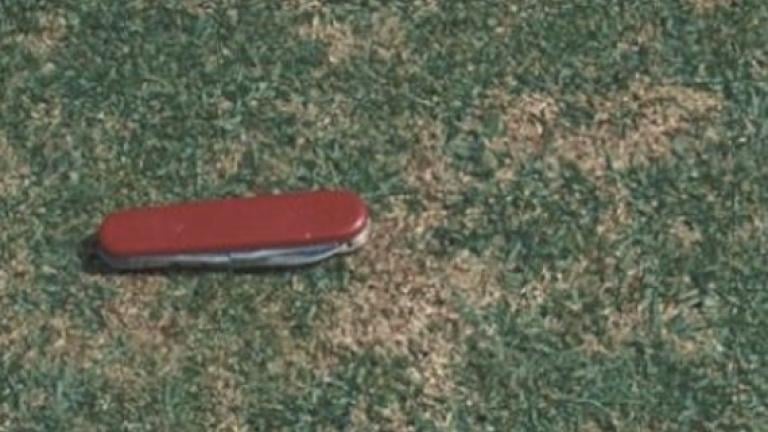
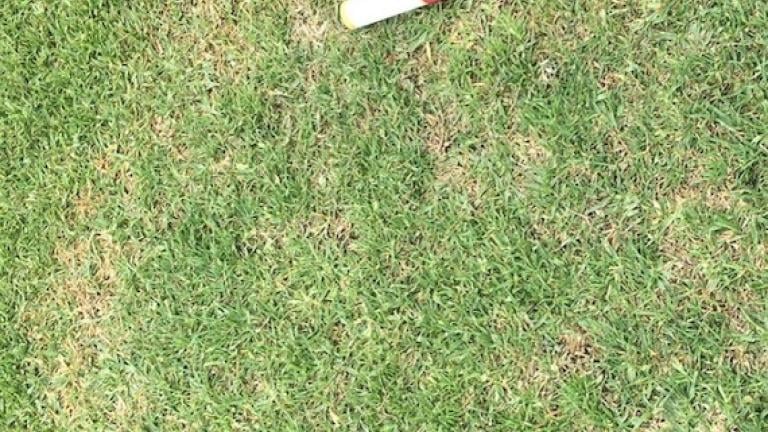
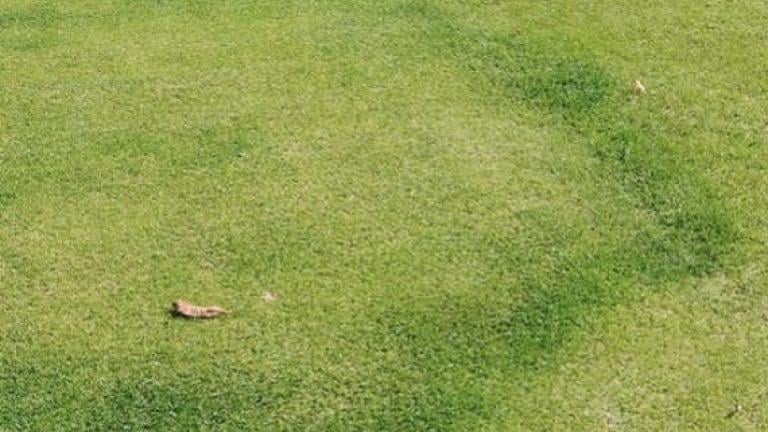
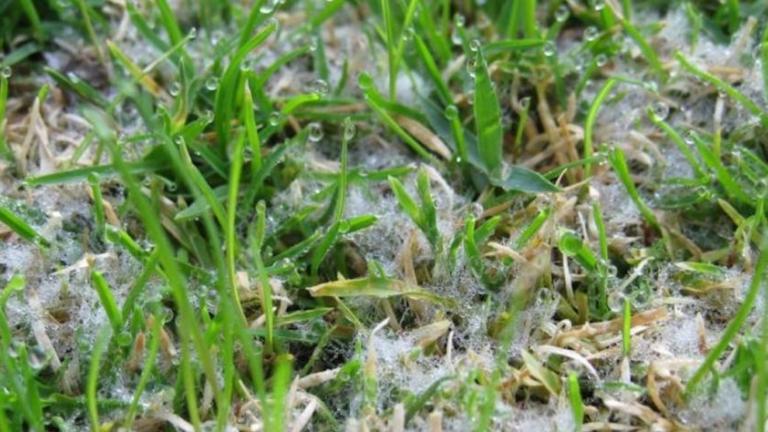
Dollar Spot causes sunken, circular patches that measure up to 5 cm in diameter on golf greens and several inches on higher mown turf.
The patches turn from brown to straw colour and may eventually coalesce, forming irregularly shaped areas. Infected leaves may display small lesions that turn from yellow green to straw colour with a reddish-brown border.
The lesions can extend the full width of the leaf. Multiple lesions may occur on a single leaf blade.
Conditions Favouring Disease
Dollar spot is favoured by temperatures between 15°C to 30°C and continuous high humidity This disease is particularly favoured by warm days, cool nights, and intense dews. It also infects areas with low levels of nitrogen and becomes more severe in dry soils.
Integrated Turf Management Tips
- Use an adequate level of nitrogen, particularly in the Spring and early Summer
- Mow grass at regular intervals
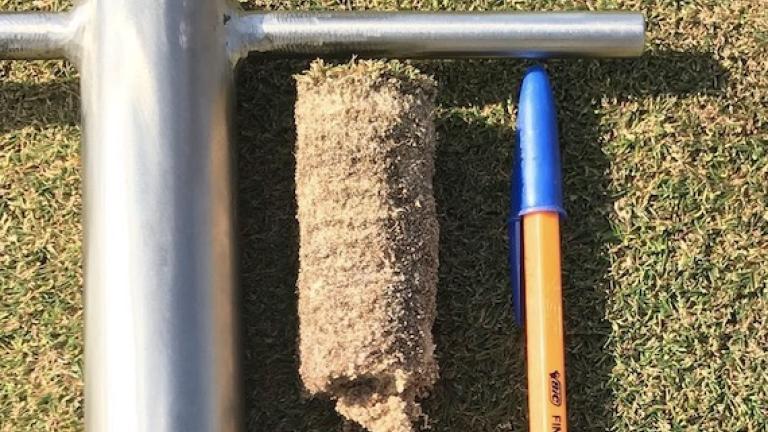
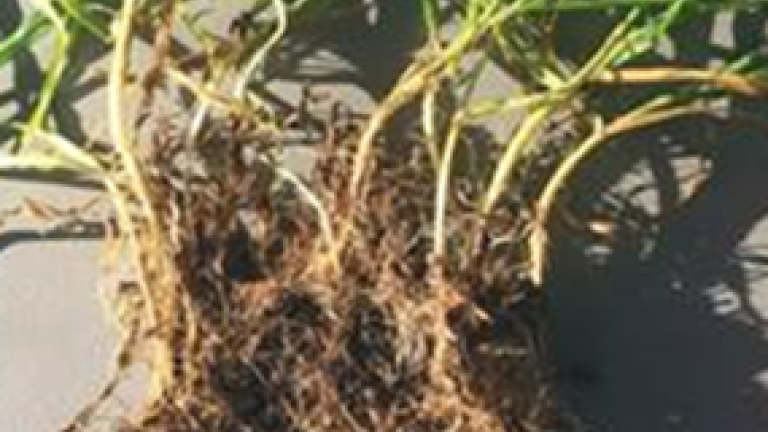
- Reduce thatch
- Increase the air circulation
- Irrigate turf deeply and as infrequently as possible to avoid drought stress
- Remove dew from the turf early in the day
- Convert to a turfgrass cultivar (especially for Bentgrass) that is more tolerant to dollar spot
- Apply contact and/or penetrant fungicides on a preventive basis.
Cultural practices to reduce dollar spot infection
- Reduce thatch.
- Increase air circulation.
- Avoid drought stress and irrigate turf frequently enough to maintain good soil moisture when the disease is active
- Rolling, mowing in the morning, and dew removal help reduce disease severity on greens and elsewhere.
- Apply appropriate fungicides on a preventive basis – use Smith Kerns model & current weather conditions as a guide
- Maintain adequate nutrition – spoon feeding weekly is recommended
Preventative application
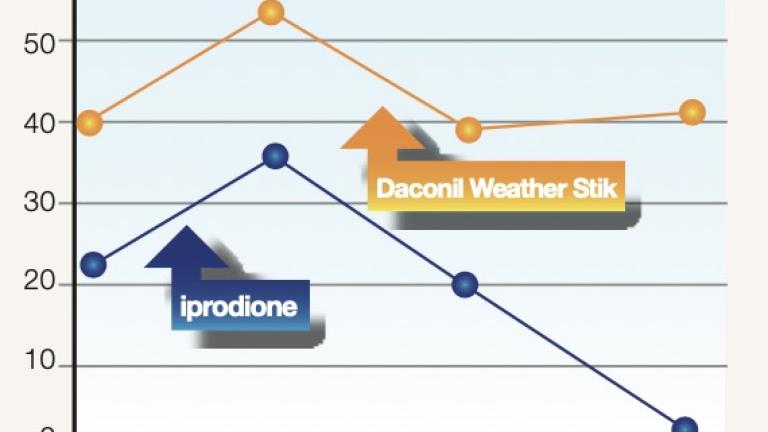
- 5 litres/ha Daconil WS
- 9 litres/ha Instrata
Curative Application
- 3 litres/ha Banner Maxx
- 9 litres/ha Instrata