Superintendents, Let's Talk About Anthracnose
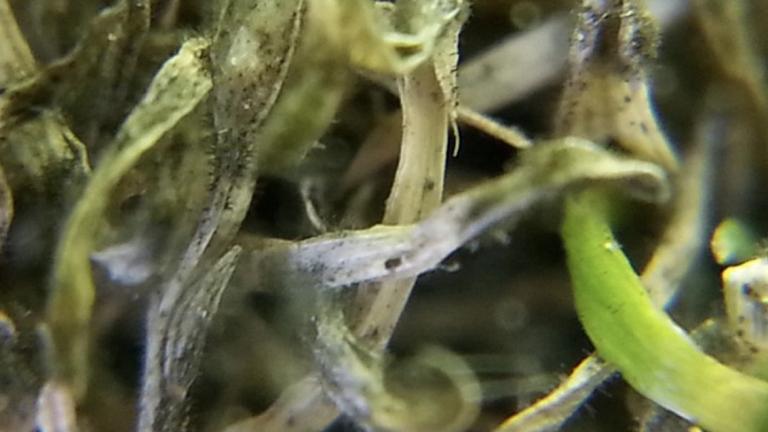
First, let's talk about the symptoms of Anthracnose.
Symptoms
Leaves of infected plants turn yellow to a light tan to brown before dying.
Younger leaves often turn red.
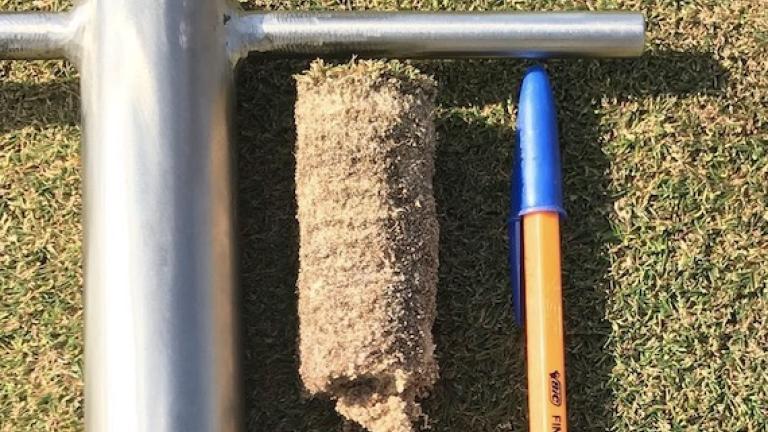
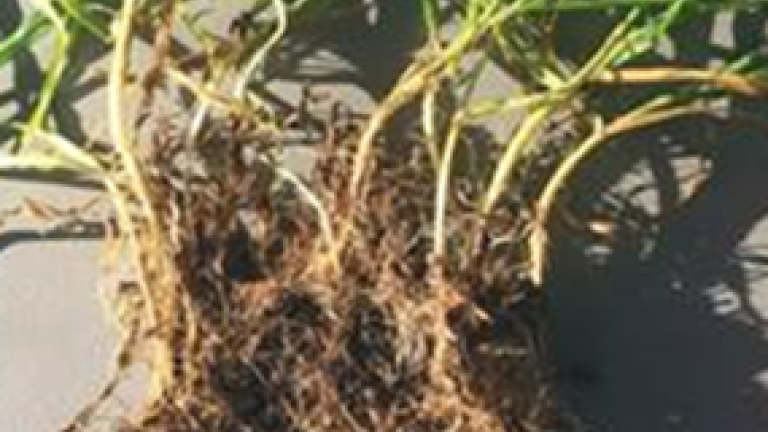
Basel stem & leaf sheath's rot, affected plants are easy to pull out.
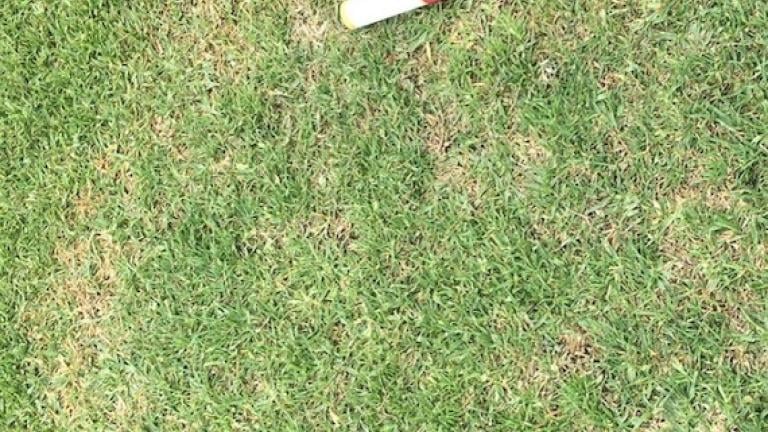
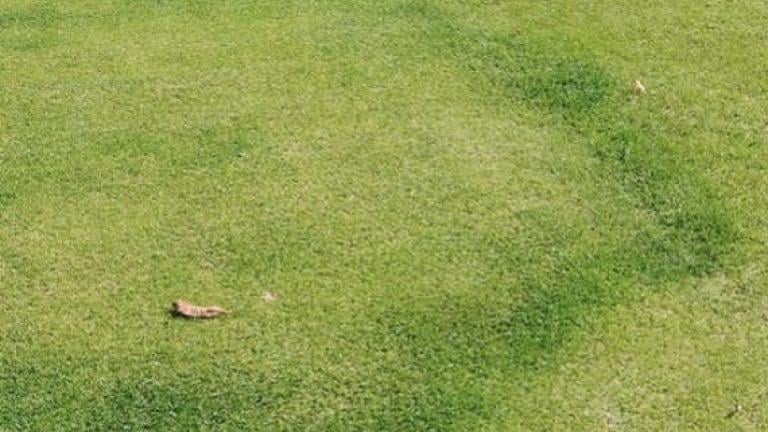
Infected areas are seen as irregular shaped patches.
Affected patches are a reddish brown colour turning yellow then tan to brown.
A black stain may occur at the base of infected plants, this is an acervulus, a black fungal fruiting body
Susceptible Turfgrasses
Wintergrass,
Bentgrass,
Kentucky Bluegrasses,
Fescue,
Couch.
Conditions Favouring Anthracnose
Disease development is favoured by warm humid conditions.
Anthracnose favours temperatures over 25°C.
It is necessary for a film of moisture to be present on either the roots or foliage for infection to occur.
More than 10 hours a day of leaf wetness for consecutive days.
Hot summers in cool temperature areas are when the disease is most noticeable.
Soil compaction and low amounts of nitrogen also contribute to the disease developing.
Integrated Turf Management
Preventative fungicide program during high risk periods.
Decrease traffic.
Maintain adequate nitrogen and balanced fertility.
Do not core or aerate while disease symptoms are present.
Avoid management practices which encourage humidity and extended leaf wetness.
Fungicidal control
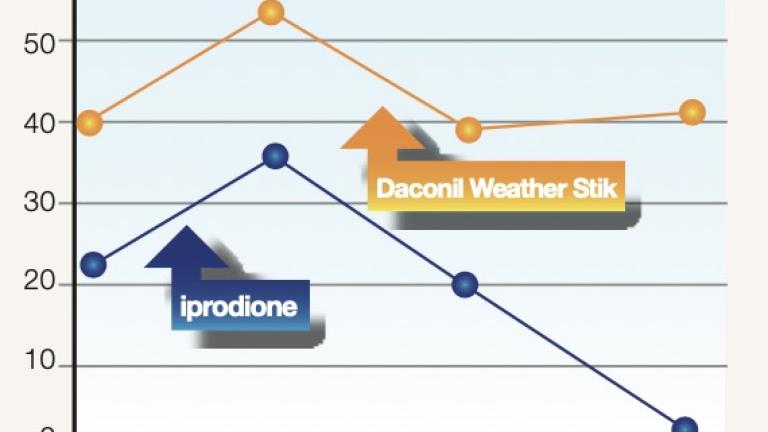
Prevention is much more successful when you mix a Systemic (which goes inside the plant) with a Contact (which stays on the outside).
The “Gold Standard mix”
- 3 Lt/ha Banner Maxx (Systemic)
- 5Lt/ha Daconil WeatherStik (Contact)
Alternative chemistry options to apply as a preventative application.
- 1 kg/ha Heritage (Systemic)
Or
- 9 Lt/ha Instrata (Systemic & Contact)
You can safely add 300 – 500 ml/ha Ryder (This helps the turf manage UV light and heat stress, which indirectly prevents Anthracnose by keeping the plant stronger).