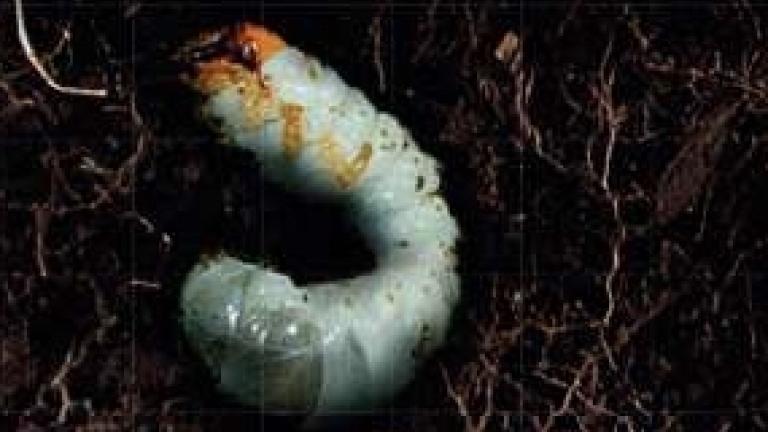
Get Control of Pythium Root Rot on your Golf Course
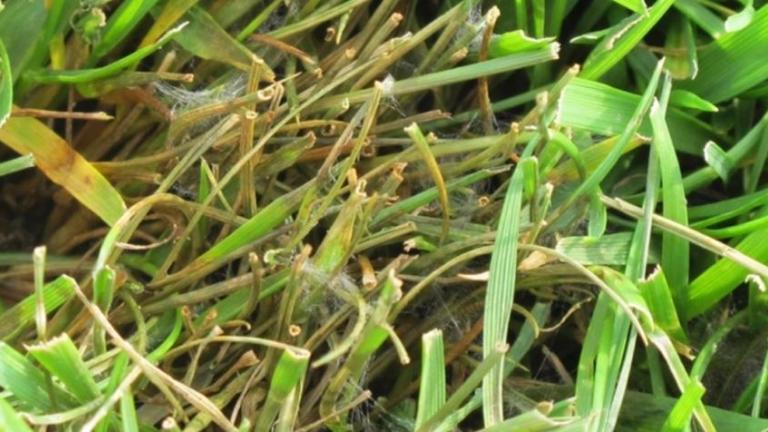
Pythium Root Rot - what causes it?
Causal Agent:
Pythium aristosporum, P. Volutum, P. Aristosporum
Susceptible Turfgrass:
Annual Bluegrass and Creeping Bent grass most susceptible. Bermuda grass and Seashore Paspalum can also be affected.
Symptoms:
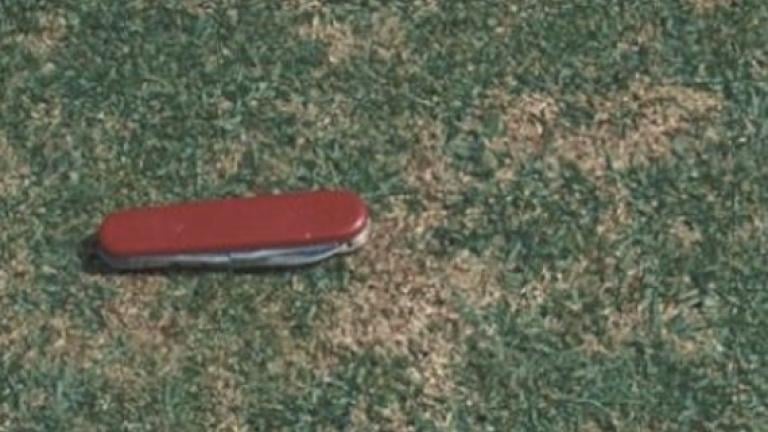
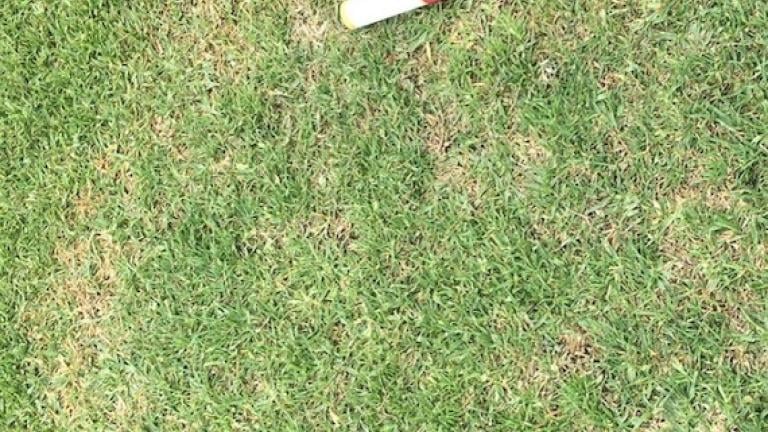
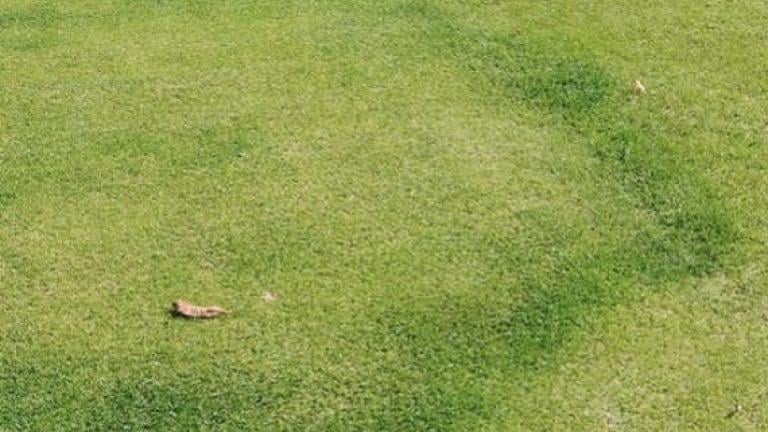
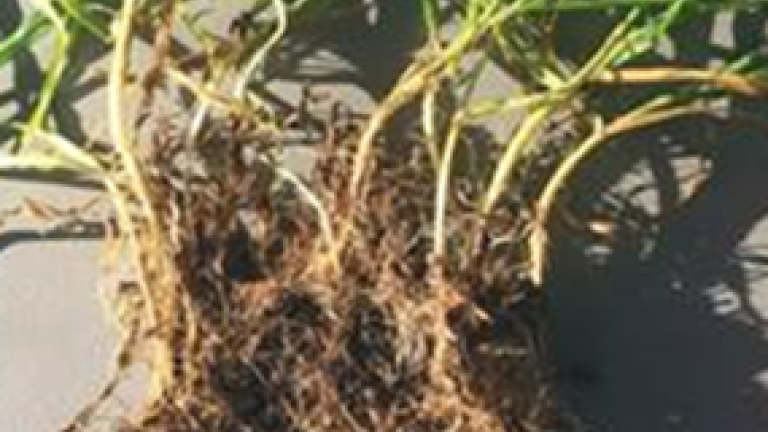
Pythium Root Rot is common on highly maintained turf, such as golf course greens. Although symptoms of Pythium Root Rot are typically non-distinctive, this disease can appear as yellow, irregularly shaped patches. The affected turfgrass is thin, off-colour, and slow growing, while the root system is stunted with reduced volume and vigour. Foliar mycelium does not occur.
Conditions Favouring Disease:
Some Pythium species favour temperatures between 0°C and 10°C while others thrive in temperatures between 21°C and 32°C. Pythium Root Rot occurs in areas with high soil moisture, poor drainage, and low light. It also infects locations with low mowing height and excessive wear.

Get Control of Pythium Root Rot: A data-driven approach to turf-grass health.
Pythium root rot is one of the most challenging diseases for golf course superintendents, because it attacks the “engine” of the plant (the roots) often remaining invisible until the turf is under extreme heat stress.
Key Symptoms & Identification.
Unlike Pythium blight, Pythium root rot does not produce cottony white mycelium. It is often a “hidden” killer.
Above ground: Turf looks chlorotic (yellow), thinned, or exhibits a “bronze” or “orange” hue. In high-density bent-grass, it may appear as purplish-grey spots that look like drought wilt.
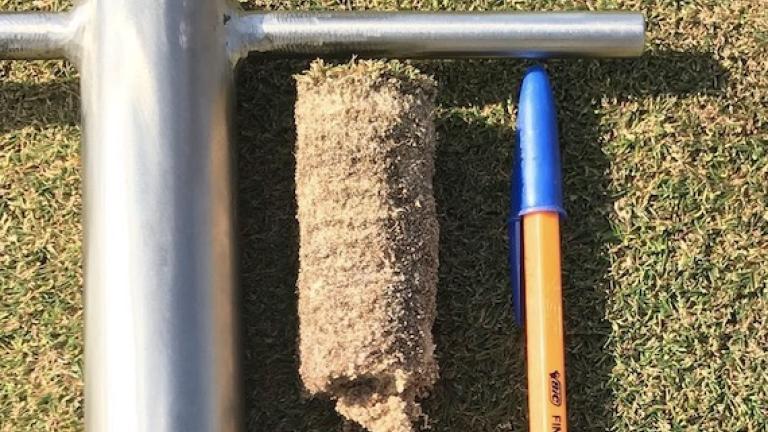
Below ground: Roots appear dark, water-soaked and “greasy”. The outer layer of the root often sloughs off easily when pulled, leaving only a thin inner core.
Patterns: Symptoms usually follow drainage patterns or appear in low-lying, poorly drained “cleanup” laps where mower stress is highest.
Cultural Management (The first line of defence).
Since Pythium species are “water molds”, moisture management is the most critical factor.
Drainage: Improve both surface and subsurface drainage. If a green stays saturated for more than 24-48 hours, PRR risk SKYROCKETS.
Aerification & Topdressing: Regular core aeration (targeting 15-20% surface removal annually) and heavy topdressing reduce the organic matter (thatch) where oospores survive.
Air Movement: Use high-powered fans and prune surrounding trees to increase sunlight and airflow. This helps lower the canopy temperatures and dry out the surface.
Stress Reduction: During outbreaks, raise the height of cut and use lightweight mowers or rollers to reduce physical mechanical stress on the weakened root system.
Chemical Control
For bent-grass greens, a preventative programme is far more effective than a curative one.
Preventative:
- 1kg/ha Heritage
OR
- 1.7Lt/ha Subdue Maxx
Curative:
- 3.4Lt/ha Subdue Maxx
Subdue Maxx can safely be tank mixed with any of the Syngenta turf fungicides.