Protecting Your Turf from Fairy Ring
Symptoms of Fairy Ring:
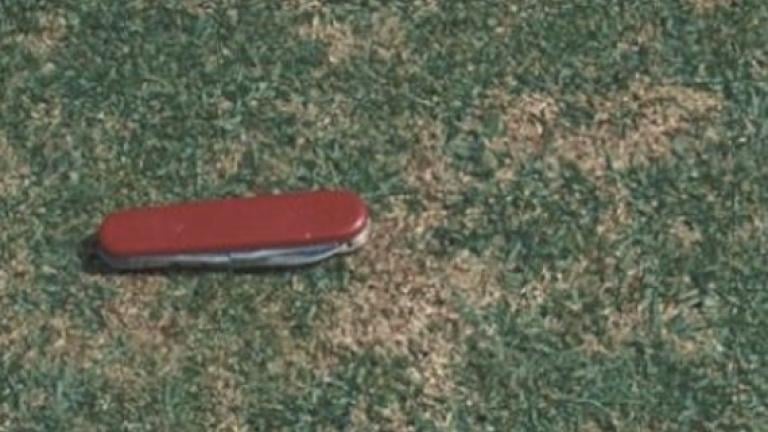
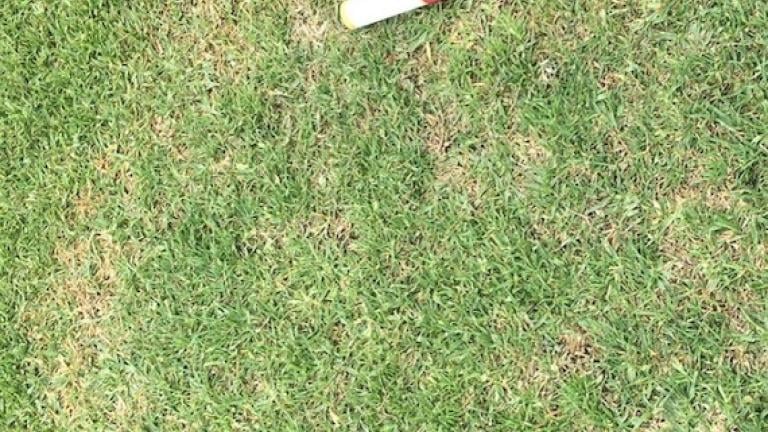
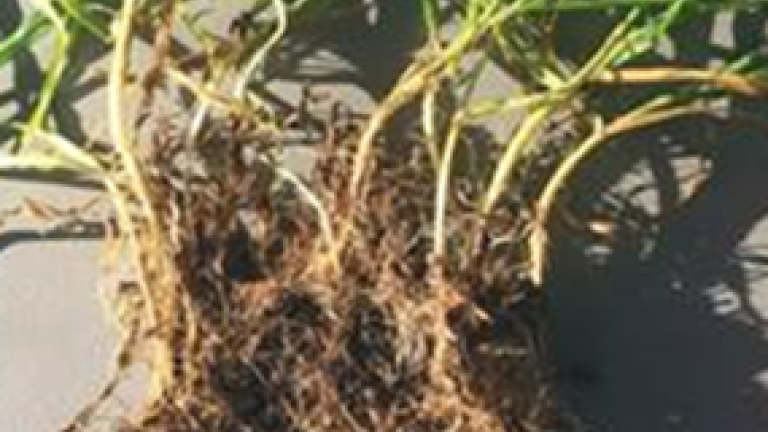
Symptoms vary depending on the type of Superficial Fairy Ring. This disease can cause patches with felted, white mycelium. Sometimes the patch is sunken and has a ring that measures approximately 2.5 cm wide at the border. Also, the lower leaves on the turfgrass in the affected areas can die.
Classification of Symptoms:
Type I - A ring of dead or dormant turf with a "burned" appearance.
Type II - A ring of lush, dark green grass growing faster than the rest.
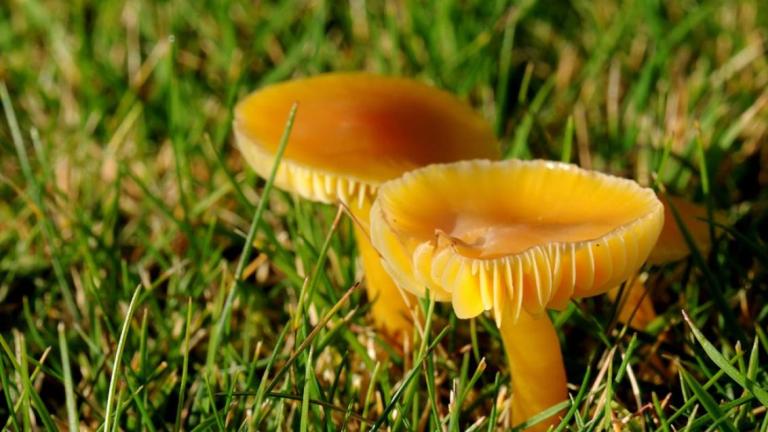
- Type III - A ring of mushrooms or puffballs with no change in grass colour.
Conditions Favouring Disease:
Superficial Fairy Ring is favored by the summer season for cool season turfgrass. For areas where warm season turfgrass is the principle turfgrass species and dormancy is sporadic or doesn't occur, superficial fairy ring can be a common problem. While the patches typically disappear in the cool seasons for cool season turf or in the summer for warm-season turf, they can remain if the turf is not properly managed.
Key Challenges:
- Climate Stress: Type I rings are most damaging during dry spells. The fungal mycelium creates a waxy coating on soil particles, leading to hydrophobic (water-repellent) conditions.
- Thatch Accumulation: In many turf varieties (like Cynodon/Kikuyu or Bent grass), heavy thatch acts as a food source and "nest" for the fungi.
Sand-Based Greens: Modern USGA-spec sand greens are particularly prone to fairy rings, because they lack the microbial diversity to suppress the "bad" fungi.

Management and Control:
Effective management requires an integrated approach (Cultural + Chemical).
Cultural Practices:
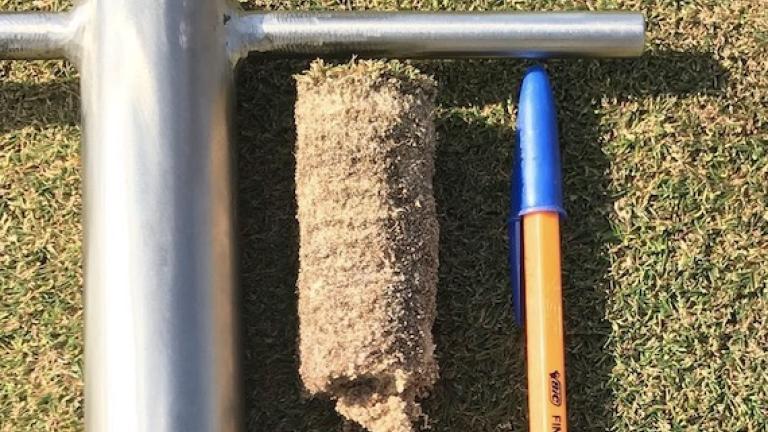
- Aeration: Using hollow-tine or Verti-drain aeration to break through the hydrophobic layer and allow oxygen/water to reach the root zone.
- Water Management: Using wetting agents is critical. They help water penetrate the waxy fungal coating.
- Fertility: On Type II rings, applying a light dose of nitrogen or iron to the surrounding "healthy" turf can help mask the dark green ring by evening out the colour.
Chemical Control:
- Fungicides: 1kg/ha Heritage
Application Tip: Fungicides must be "drenched" or watered-in heavily (immediately after spraying) to move the active ingredient into the soil where the fungus lives.
- 1kg/ha Heritage
10Lt/ha Qualibra
Apply in high water volume (700-1000Lt) and irrigate directly after application.
OR
- 20g/100m2 Heritage
100ml/100m2 Qualibra
Apply in high water volume (7-10Lt) and irrigate directly after application.
More tips to control fairy ring:
- Initiate applications early in the season when soil temperature drops to 12 - 15 degrees C
- Spike in a circle.
- Regularly apply soil surfactants for turf health 20g Heritage + 100g Qualibra with 6L water. Water immediately.