Stay One Step Ahead of Microdochium
Let's be one step ahead of Microdochium Patch by getting your preventative application timing right.
The trick is to act early with Microdochium so treat in May! Be Aware of Microdochium Patch when air temperatures reach 1-15°C.
Get your preventative apps down on Cool season turf in May!
- Instrata - 9 litres/ha – works very well if you apply it early – 1 May.
- Banner Maxx – 2 litres/ha – 14 days cover – good curative.
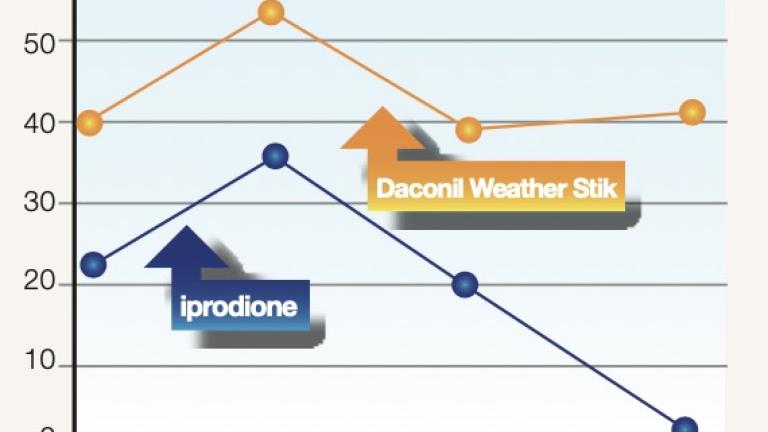
- Daconil Weatherstik – 5 litres/ha – 14 days cover – can’t build up resistance so it’s a brilliant safety net.
- Heritage – 1 kg/ha – 28 days cover – protects the plant as it grows.
Microdochium Patch - What is it?
Symptoms:
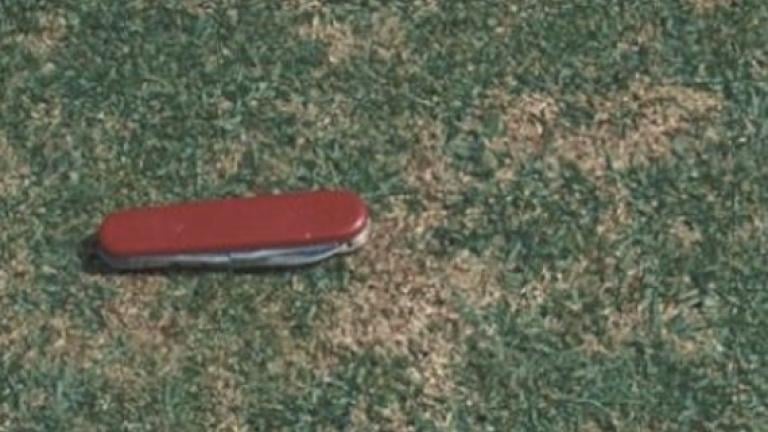
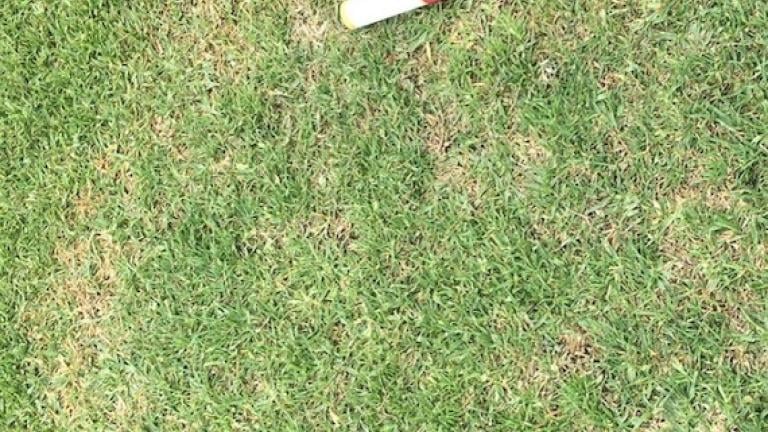
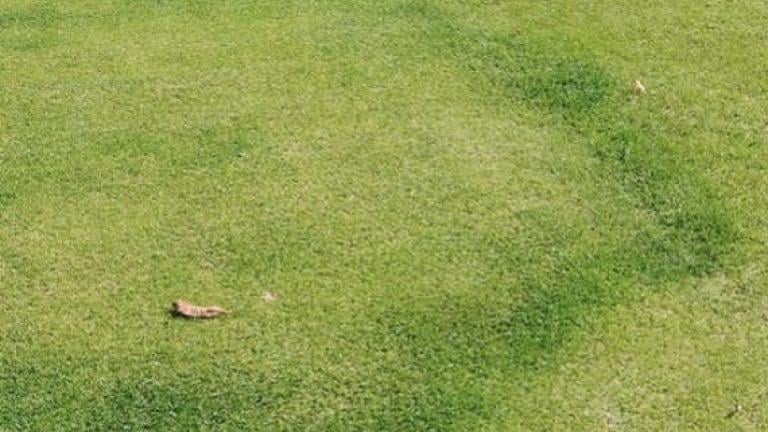
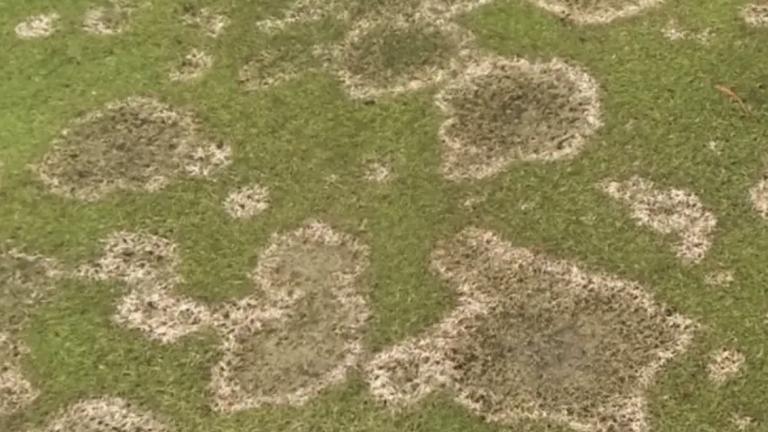
Microdochium Patch causes patches that are yellow or reddish-brown in colour and 2.5 to 15 cm in diameter. The periphery of the patches are reddish brown or pink in colour. "Smoke rings" - thin, brown borders around the diseased patches that appear only in the early morning - can occur. The patches occur in cool, wet weather. Blighting in streaks can also occur as a result of spore tracking on equipment wheels.
Conditions Favouring Disease:
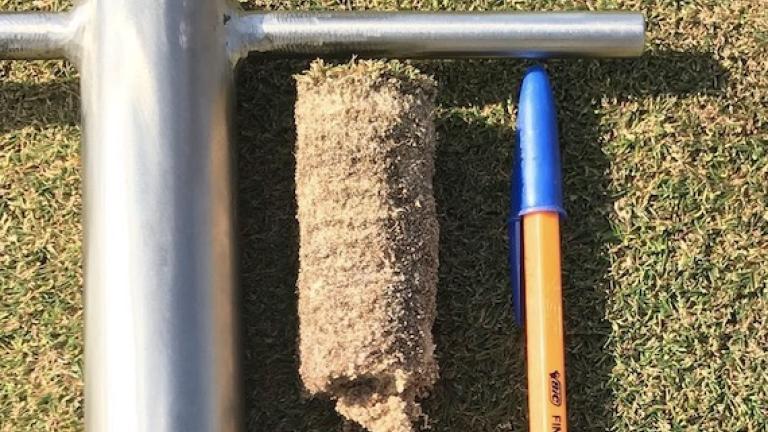
Microdochium Patch thrives in temperatures from 0 to 15°C and in locations that experience more than 10 hours a day of foliar wetness for several consecutive days. It also favours areas high in nitrogen fertility and low in phosphorous and potash. Microdochium Patch also infects areas with slow growing conditions and heavy thatch.
Integrated Turf Management Tips:
- Best to start preventative applications in early May and continue through winter
- Maintain balanced fertility but avoid urea sources of nitrogen
- Avoid using lime. Alkalıne soils enhance disease development
- Increase air circulation to speed turf's drying process.
- Minimise the amount of shade
- Reduce thatch
- Apply fungicides prior to or at the first signs of disease. Turf recovery is more likely in the Autumn
- Make additional fungicide applications as needed during the Winter. Turf recovery is slow during the Winter so maintain a fungicide programme to reduce turf damage
Cultural Practises
- Start preventatives in May and continue through winter to protect turf during slow-growth periods.
- Maintain balanced nutrition but avoid urea and lime, as alkaline soils can trigger disease.
- Reduce shade and boost air circulation to speed up drying and discourage pathogen growth.
- Keep thatch layers thin to improve overall turf resilience and drainage.
- Apply treatments early—prioritizing Autumn for better recovery—to prevent extensive winter damage.