Spring Golf Course Turf Dos and Don'ts

This article is written by Sue deZart at Talking Turf.
The Battle of the Greens Belongs to You.
Identify the best time for your club & the course to do your cultural practises based on your golf rounds, key events & weather data.
My check list would be the following:
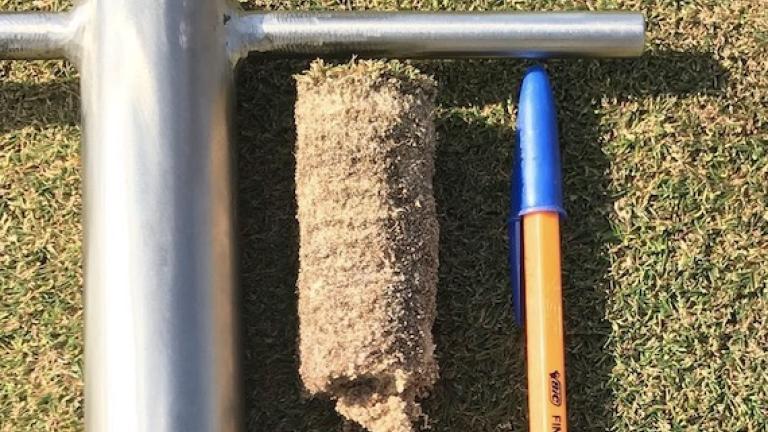
- Hollow tyne greens 12mm & broom the sand in by hand to break down the organic matter in the profile
- Overseed annually if you are fighting Poa
- Ensure there is sufficient drainage in greens. The air water balance in a greens profile ultimately determines your playing surface quality.
- Feed on a consistent programme according to your soils needs.
- Tie in your IPM & key maintenance applications to your sound nutrition.
The article below is a summary from Darin Bevard, USGA agronomist I've had the privilege of volunteering a US Open with reminds us on the importance of planning and implementing sound systems to produce a consistently sound playing surface.
The Key Factors and Strategies for Maintaining Firm Putting Greens
Maintaining firm putting greens is a complex process shaped by many factors beyond just water management. While drier conditions can help, true firmness depends on the balance of organic matter, sand topdressing, grass species, and long-term maintenance strategies.
Key Points:
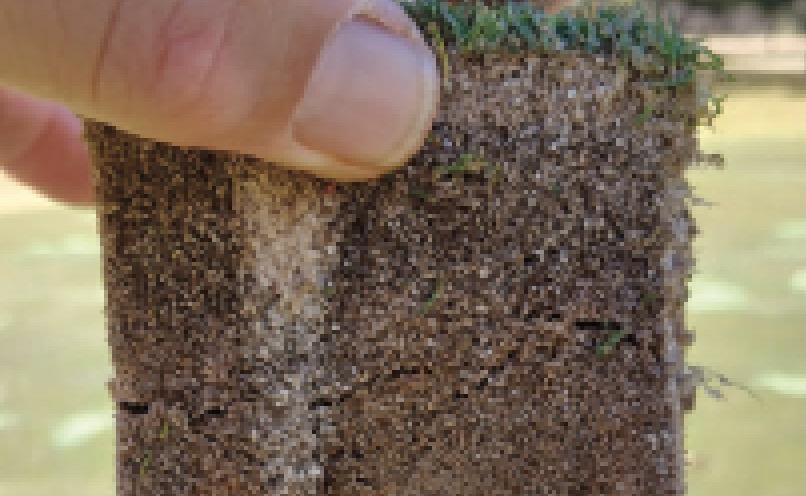
- Organic Matter: Both too much and too little organic matter in the top layer of soil can negatively affect firmness. Light, frequent sand topdressing help maintain the right balance.
- Sand Selection: The size and shape of sand particles used in construction and topdressing influence firmness. Angular sands provide more stability than round sands, and sand must be compatible with the existing soil.
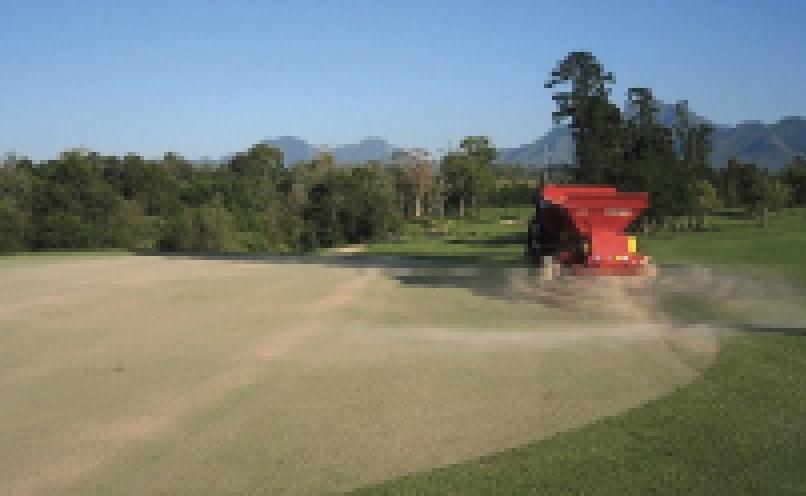
Grass Species: Different grasses respond differently; for example, warm-season grasses may feel firmer than cool-season ones even at similar measured firmness levels.
Short vs. Long-Term Approaches: Short-term actions like reducing water or rolling can only do so much. Consistent, long-term programs-such as aeration, topdressing, and organic matter management-are essential for lasting firmness.
Terminal Firmness and Softness: Every green has a limit to how firm or soft it can get, determined by its construction and organic matter. These limits change slowly with long-term maintenance, not quick fixes.
Conclusion:
Achieving firm, healthy putting greens requires ongoing measurement, tailored maintenance, and a focus on long-term strategies. There is no universal solution— each course must track its own data to understand and improve firmness for its specific conditions.