Spotting the Common Weeds on Your Course

Singapore’s warm and humid tropical climate is conducive to the growth of various types of weeds that can invade turfgrass, lawns, parks, and gardens. Understanding these weeds and their characteristics is essential for effective turf management and maintaining healthy green spaces. Old World Diamond Flower, Spurge, and Threeflower Beggarweed are common broadleaf weeds found in Singapore. We’ll explore their identifying features, growth habits, management strategies, and the importance of pre-emergent and post-emergent herbicide programs in maintaining weed-free turf.
Old World Diamond Flower(Hedyotis corymbose) 
|
Identification:
Key Features:
Growth Habit:
|
Spurge(Euphorbia spp.) 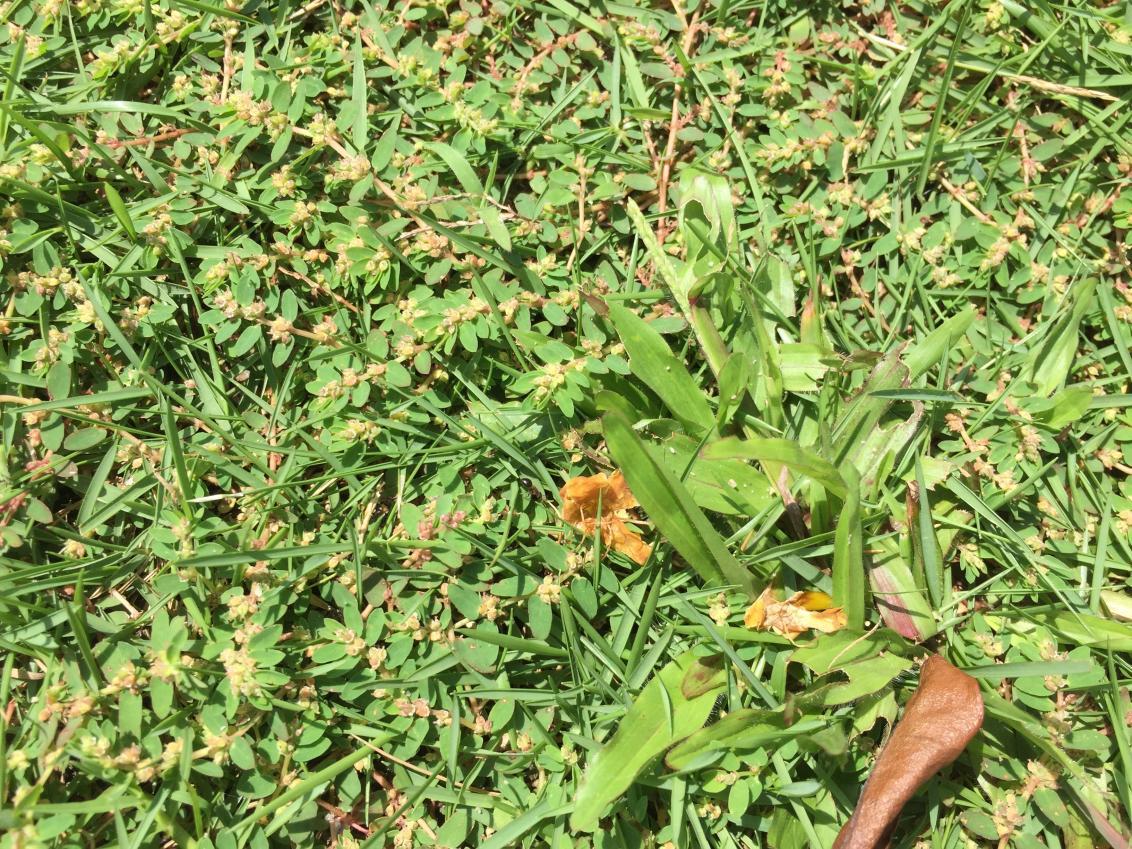
|
Identification:
Key Features:
Growth Habit:
|
Threeflower Beggarweed(Desmodium triflorum L.) 
|
Identification:
Key Features:
Growth Habit:
|
Management:
Cultural Control: Ensure healthy, dense turf through proper fertilization and irrigation to prevent invasion.
Mechanical Control: Use regular hand-pulling or hoeing for small infestations.
Herbicide Program:
Pre-emergent: Apply Barricade (Prodiamine) to prevent seed germination.
Post-emergent: Use Casper (Prosulfuron + Dicamba) for effective control of established weeds.
Importance of a Pre-Emergent and Post-Emergent Herbicide Program
An integrated pre-emergent and post-emergent herbicide program is crucial for effective and long-term weed control in Singapore’s turf and green spaces. These practices work synergistically to:
Prevent New Weeds: Pre-emergent herbicides inhibit seed germination and prevent new weeds from establishing.
Eliminate Existing Weeds: Post-emergent herbicides target weeds that have already germinated and are actively growing.
Minimize Weed Pressure: Consistent use of both approaches reduces the weed seed bank in the soil, lowering future infestations.
Improve Turf Health: Maintaining weed-free turf allows grass to thrive without competition for nutrients, water, and sunlight.
Implementing a strategic herbicide program alongside proper cultural practices like mowing, fertilization, and irrigation ensures a healthy and aesthetically pleasing turf quality.
By understanding the characteristics of common weeds and adopting a comprehensive management program, turf managers and landscapers in Singapore can effectively mitigate weed problems and promote greener, healthier spaces.