Is Your Golf Course Under Attack By The Hidden Nematode Threat?

Did you know that nematodes could be silently damaging your turf?
Key Signs of Nematode Damage:
Irregular yellow patches
Weak root systems
Poor recovery from stress
Declining turf quality despite proper fertilization

Symptoms of turf nematode damage can be twofold on the surface and subsurface. On the surface turf will appear thinned, with chlorosis evident and declining growth. Patches will appear irregular, can wilt and not respond to fertility or other inputs. Additional turf pathogen activity may be present as the turf is weakened. Subsurface, the root system will be affected. Root will be thin, shallow, darkened and may show presence of galls.

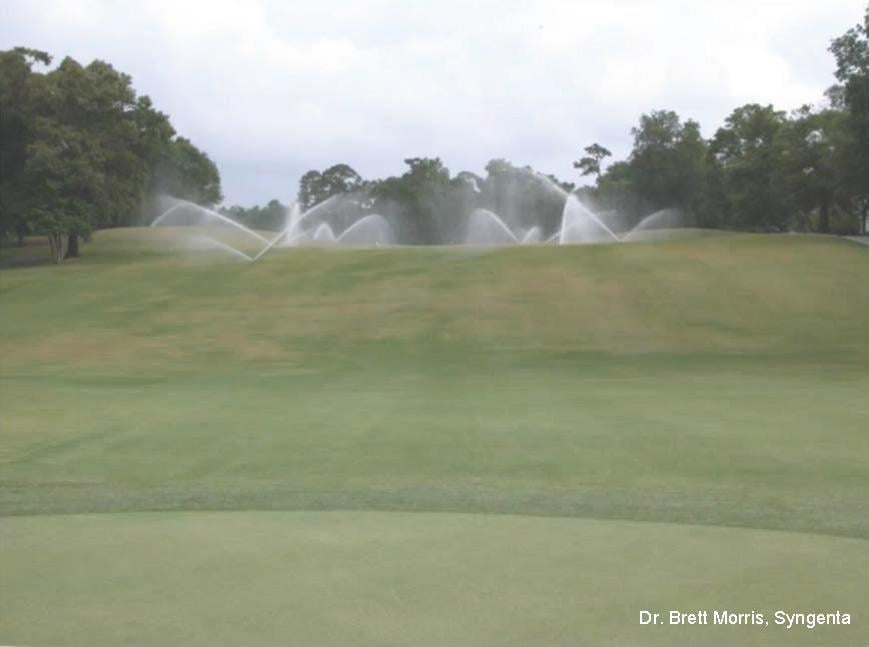
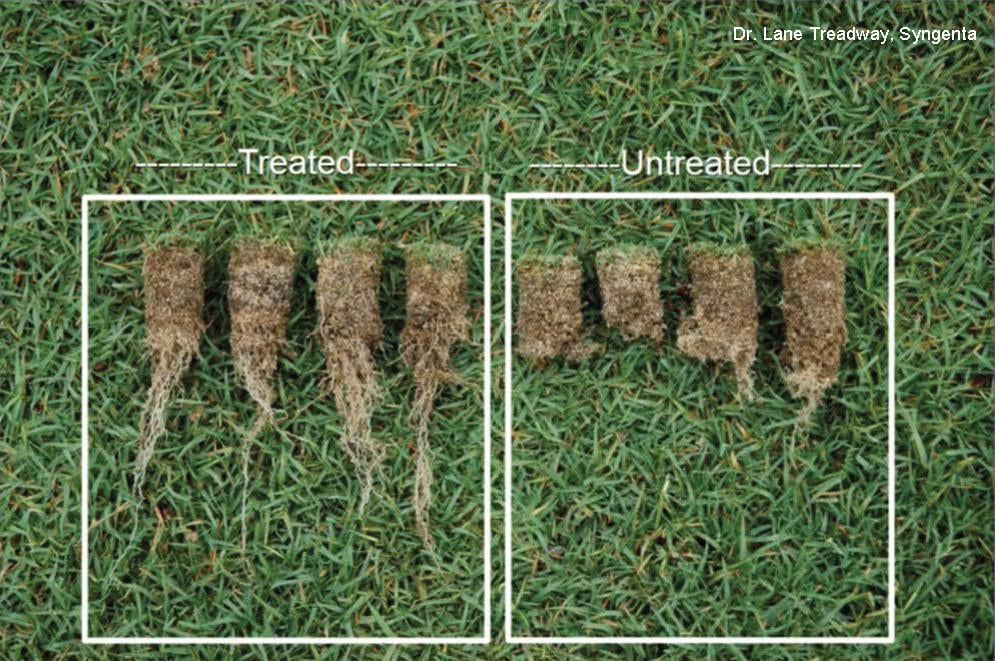
Singapore's tropical climate creates perfect conditions for nematode proliferation. Recent surveys show that 70% of golf courses in Southeast Asia face nematode challenges, particularly in greens and tees.
What are nematodes?
Plant parasitic nematodes are small unsegmented roundworms ranging between 0.3 – 4 mm in length. Like insects, they molt as they develop going through 4 juvenile stages. It is not until after the final molt that they separate into male and female. A typical life cycle from egg to egg is between 2 – 4 weeks.
Feeding Habits and Mobilities
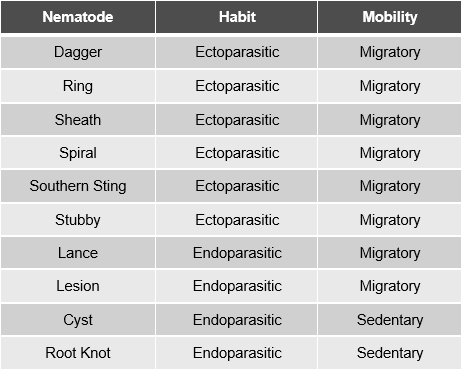
Nematodes exist in two main forms, being Ectoparasitic (feeding on plant from the outside using their stylet) and as Endoparasitic (spending portion of their lifecycle completely or mostly embedded in plant tissue).
Mobility is classed as Migratory (feeding at various locations) or Sedentary (feeding at the same location for periods of time).
Characteristic of Turf Nematodes:


How does Trefinti work?
Trefinti introduces the active constituent Cyclobutrifluram which is classified as a N3 nematicide mode of action and fungicide group 7 (SDHI). Trefinti exhibits contact activity to both ectoparasitic and endoparasitic nematodes and once in the plant, move acropetally (upward mobile). Trefinti also provides control on soilborne turf diseases including Bermudagrass Decline, Fairy Ring, Mini-ring and offers flexible application due to its UV stability, meaning it can be applied during the day and watered later in the evening.
Learn more about TYMIRIUM® technology

Playing this video requires a marketing consent.
Click anywhere on the video to renew your consents.