Building blocks for stress resilience
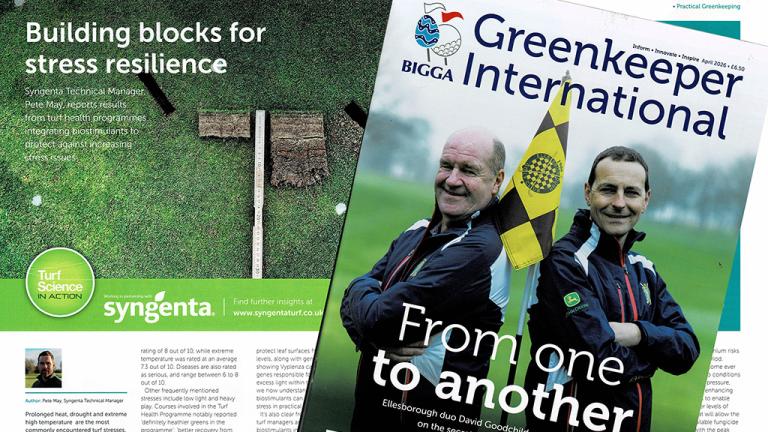
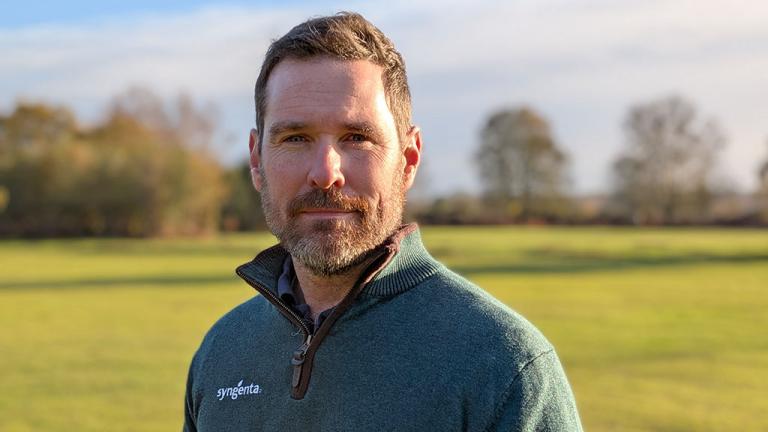
Prolonged heat, drought, and extreme high temperature are the most commonly encountered turf stresses, according to reports of greenkeepers involved with Syngenta season-long biostimulant trials. These are all consistently highlighted as having a significant impact on turf health in a 'normal' year, reports Syngenta Technical Manager, Pete May.

Drought was consistently identified as the most severe stress, rated 9 out of 10 (where 10 is severe effect) in all reports. Prolonged heat was also considered very serious, with a rating of 8 out of 10, while extreme temperature was rated at an average 7.3 out of 10 for High temperature. Diseases are also rated as serious, ranging from 6 to 8 out of 10.
Other frequently mentioned stresses include , low light, and heavy play. Courses involved in the Turf Health Programme notably reported ‘Definitely heathier greens in the program’; ‘Better recovery from stress’; ‘Rooting improved over the season’, and ‘Less stress and more consistency in the greens compared to previous years’.
Others noted ‘Sward density in difficult areas has been better’, ‘Colour improvement’, and ‘Ball roll and stimp data is good – very true surfaces.’
Having identified in turf science R&D how the sunscreen UV protection of Ryder pigment can protect leaf surfaces from excess light, along with genomic research showing Vyplenza can upregulate genes responsible for managing excess light within the plant by 23%, we now understand better how biostimulants can genuinely help to counter severe stress in practical course situations.
It’s also clear from the reports that turf managers are looking to integrate biostimulants into conventional agronomy strategies. The role of wetting agents, for example, has clearly been hugely influential in optimising the use of increasingly scarce water resources and reducing the damaging effects of dry patch.

Drought tolerance
However, as prolonged dry periods become more frequent and more severe in a changing climate, overlaying a biostimulant program to support traditional technologies can improve the plant own ability to adapt to stress on a genetic level, helping plants withstand stress periods for longer. The new Syngenta biostimulant, Comprevo, for example, has been shown to give a 19% increase in activity of genes associated with drought tolerance.

We will still need to optimise the timing and application of wetting agents as the core, as well as investing in the R&D for new products better able to respond to the increasing challenges, but the biostimulants can help buy time before the stress impacts affect turf quality. And to help recover faster when the stress factors subside.
Integration of Primo Maxx II and Qualibra into the program creates resilient turf architecture through rooting and density.
While well-timed biostimulant applications optimise cellular stress response mechanisms. This proactive approach builds both structural and physiological stress tolerance.
Disease pressure
That will particularly be the case for managing disease in the future. There are exciting new fungicides in the final stages of the approval process that research and trials are showing will give excellent results. However, the climatic factors are generally creating much higher and prolonged pressure for diseases, such as Dollar spot now from May to October and high microdochium risks right through the winter period.

ITM cultural practices become ever more important to adapt conditions and minimise the disease pressure, where biostimulants and enhancing turf health will be crucial to enable plants to withstand lower levels of pressure for longer. That will allow the optimum timing of available fungicide applications to cope with the peak infection periods.
As we strive towards more sustainable turf health programmes, integrating proven biostimulants into agronomic strategies has proven to create more consistent surfaces all season, and greater resilience against the most challenging stresses.
Learn more from the experiences of Nordic greenkeepers in managing extreme turf stress