
363 results found

Active
Fungicide
Instrata Elite
SC Suspension concentrate
- 80.3 g/L difenoconazole
- 80.3 g/L fludioxonil
A broad spectrum foliar fungicide with both contact and systemic properties for control of Microdochium (Fusarium) Patch (Microdochium nivale), Dollar Spot (Clarireedia homoeocarpa) pictured below, Brown Patch (Rhizoctonia solani) and moderate control of Anthracnose (Colletotrichum cereale) on managed amenity turf and golf courses.

Turf Disease
Red Thread
Laetisaria fuciformis

25.07.2013Operation Pollinator
SYNGENTA LAUNCH OPERATION POLLINATOR AWARD
A new award that will reward golf clubs which have successfully created pollen rich habitats on courses, leading to an increase in pollinating insects, has been launched by The Sports Turf Research Institute (STRI) and Syngenta. The Operation Pollinator Award 2013 will be eligible for entry by all clubs implementing the Operation Pollinator programme. The awards will raise awareness of Operation Pollinator, an international biodiversity programme driven by Syngenta, which aims to boost the number of pollinating insects by helping to provide essential habitats for feeding and nesting. Operation Pollinator guidelines and advice has been developed specifically for golf courses in conjunction with STRI.The award entries will be judged by Bob Taylor, STRI's Ecology and Environment Manager before the end of September 2013.Judging criteria includes successful habitat transition, variety of wildflowers, scale of the project and participation levels, and how effectively the club is communicating its…

Turf Disease
Anthracnose
Colletotrichum cereale
Find out more about this important turf pathogen, along with Integrated Turf Management measures to help control it: What is anthracnose?Anthracnose (Colletotrichum cereale) is a turf disease pathogen that can affect turf across the UK and Ireland. It is typically viewed as the second most common turf disease, after microdochium patch.Anthracnose can affect all turf species, but is most prevalent on Poa and Fescue grasses.The pathogen can result in two types of disease: foliar blight and basal rot.How do you spot and identify anthracnose?With foliar blight infection the grass turns a tan-yellow colour in irregular patches. It is often mistaken for drought in the summer, particularly since the stress induced by drought can be a significant trigger for anthracnose to break out. The presence of acervuli with hair-like setae is used to diagnose foliar blight under the microscope.Basal rot begins as yellowing of older leaves on individual plants. The youngest leaf may become brick…
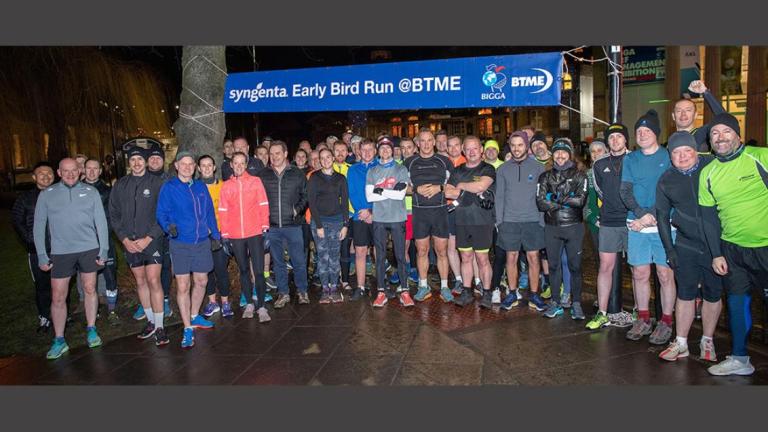
23.10.2024Event
Run for your Fund at BTME 2025
Get ready to run at BTME 2025 and you can raise money for the BIGGA Greenkeepers Benevolent Fund.
Growing Degree Days - UK
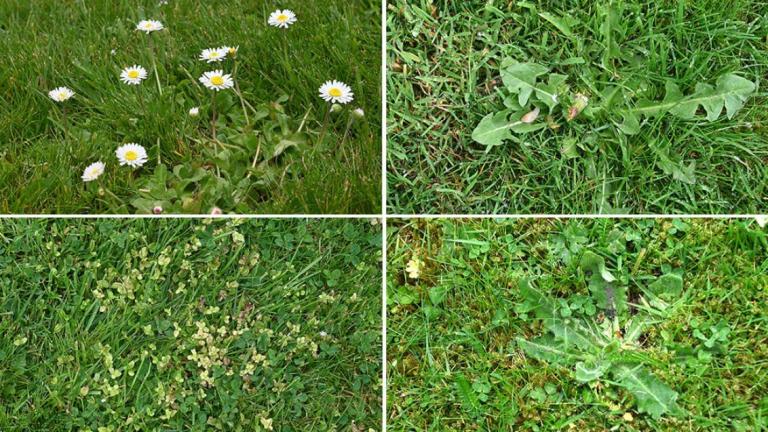
03.04.2024Weed control
Spring timing for Overtake weed control
Spring timing is best to target weed control strategies and get good results with Overtake. Sean Loakes highlights why the product should be first choice for broad leaved weeds this season.
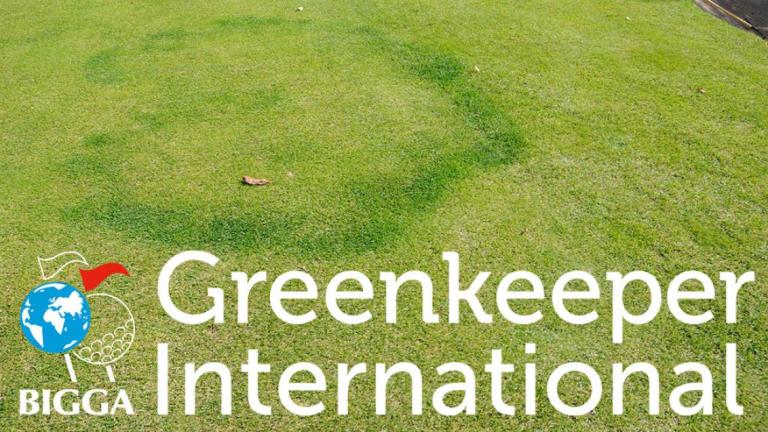
08.04.2024Fairy ring
Focus on fairy ring - Disease of the Year 2024
Sean Loakes outlines strategies to better manage fairy ring, which has become an increasingly visible challenge for many golf courses over recent seasons.

09.04.2024Leatherjacket
Spring ITM actions protect from leatherjacket losses
Sean Loakes provides seasonal advice to address issues with leatherjacket activity this spring.

05.05.2024Other turf disease
Summer Turf Disease Masterclass
Syngenta & ICL present an informative Summer Turf Disease Masterclass webinar.
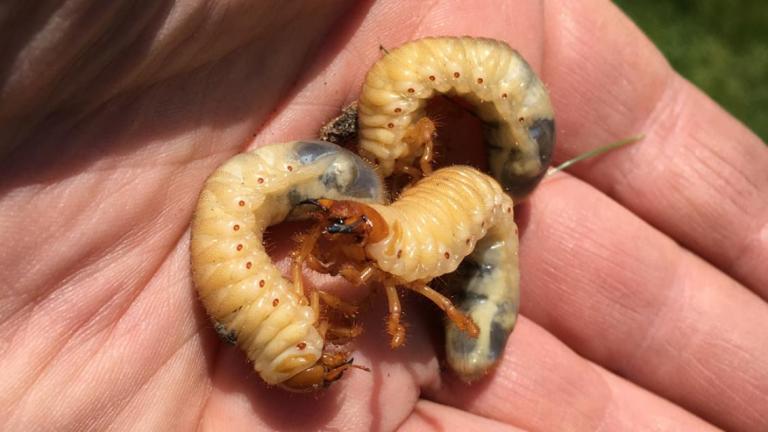
13.05.2024Chafer
New chafer grub trials results for Acelepryn and NemaTrident
New UK chafer grub control trials have shown great results with a strategy of Acelepryn, followed by NemaTrident B beneficial nematodes.
20.05.2024Dollar spot
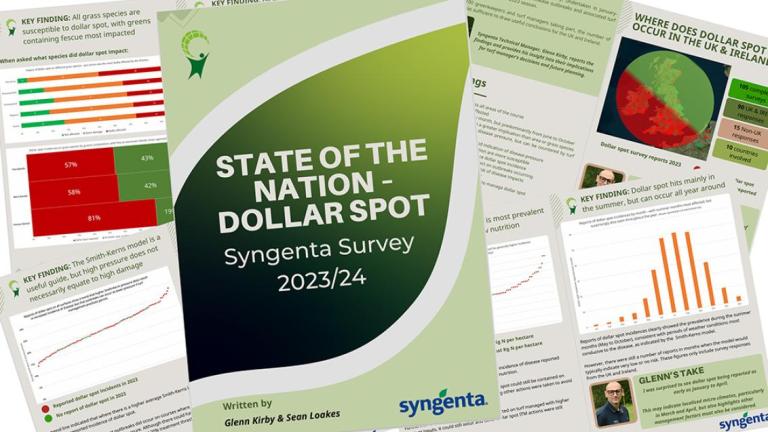
Dollar spot survey reveals infection pressures and actions
Key findings of the Syngenta Dollar Spot State of the Nation Survey 2023/24. report highlight the role for Integrated Turf Management actions to reduce disease outbreaks, including nutrition, rolling, moisture management and fungicide timings.