Historical chafer activity indicates action timing

Chafer bug sightings have been reported earlier than normal this season, triggered by a prolonged period of warm dry weather. The maybug, or cockchafer, have been the first to appear, however entomologists suggest changing weather patterns will also affect the timing of other species' emergence and overall populations - where dry soils may affect the numbers.
The GreenCast Soil Pest Identification Guide highlights when different chafer species to look out for tend to emerge, along with their habits that will influence identification and risk assessment. The garden chafer, for example, is primarily active during the day and relatively easy to spot, compared to the cockchafer that is principally nocturnal.
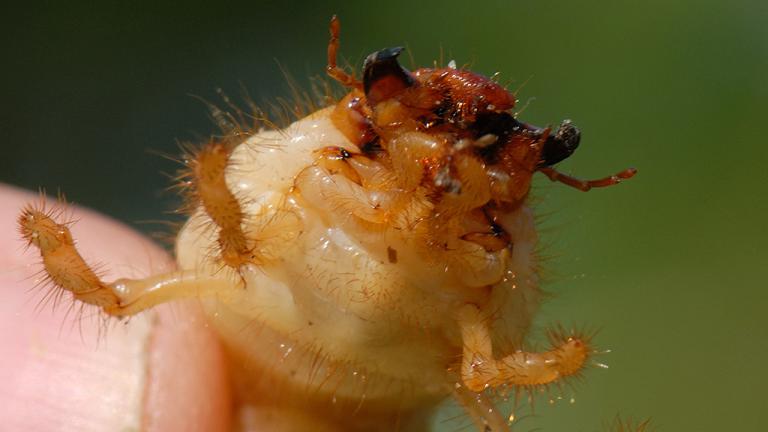
The summer chafer (below) typically emerges unseen at dusk, as the pupated grubs hatch through July and August.

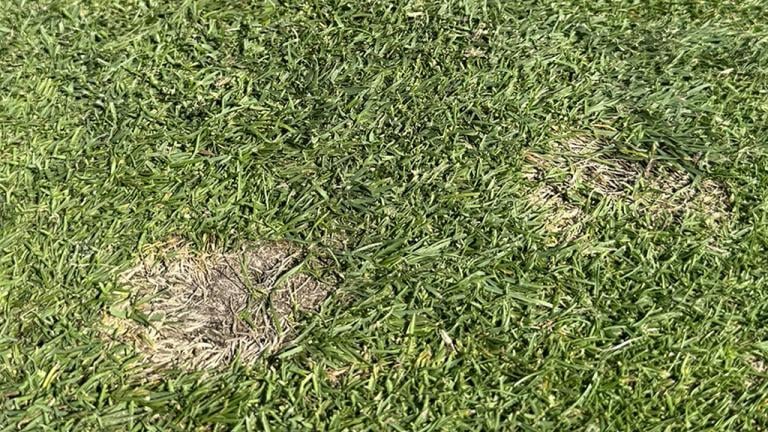
However, even if adults have not been seen active, turf managers that have suffered historical damage from the chafer larvae - or areas damaged by predators digging for a source of food - should be considering Acelepryn treatment timed to coincide with peak adult flight activity, in order to be locked into the soil at egg hatch and to target emerging small larvae, advocates to Syngenta Technical Manager, Sean Loakes.
"Adult egg laying and subsequent larvae damage frequently occurs on the same areas year after year," he advised.
"Acelepryn needs to be in the soil target zone at the time of egg hatch and initial larvae development," Sean reported. Application during June to August should cover the most active early larvae development stages of chafer species, tailored to the predominate species identified.
However, with different chafer species having a one, two or three year lifecycle, a programme of treatment over successive years may be required to effectively target larvae at the susceptible small first instar stage. In each instance the application timing should coincide with the hatch of that season's new egg laying.
He also reiterated the importance of application technique to ensure the product reaches the target zone, including a water volume of at least 600 l/ha, using the Syngenta XC 08 Soil Nozzle and to irrigate as soon as possible after application, wherever possible.