Hot topics for turf disease
Weather patterns are creating an increasing challenge for turf management. One of the biggest impacts now, and certainly into the future, is the implications for damaging disease effects.
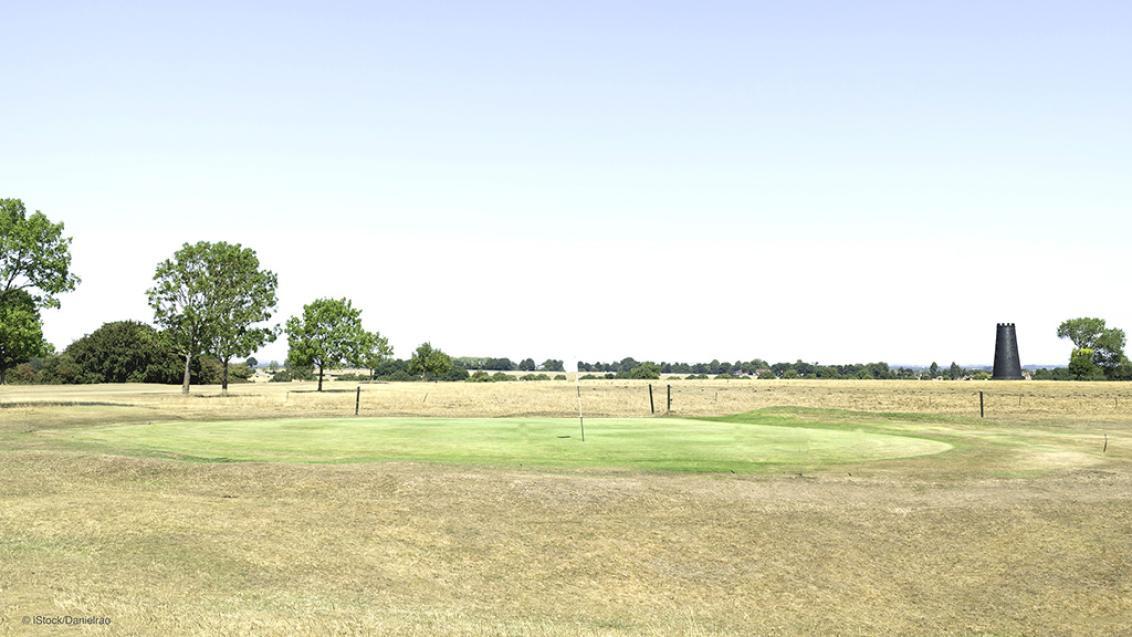
Issues associated with the changing climate have seen a wholesale shift in patterns of disease outbreaks occurring, along with influencing the range of disease pathogens affecting turf. This season has amplified concerns with heat, drought and intense sunlight effects, which is all symptomatic of the general trend.

Increasingly challenging conditions demand a greater emphasis on the holistic approach to turf health and fungicide strategy that will mitigate the impacts and aid faster recovery.
Most turf disease pathogens thrive in the relatively mild and moist conditions that are increasingly prevalent – encouraged by prolonged leaf wetness and the warm micro-climate of the turf surface.
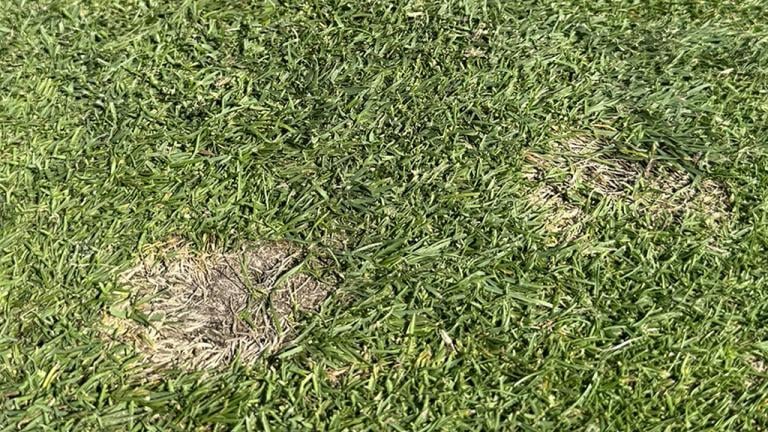
Where early winter microdochium was once the primary scourge of surface quality, for example, typically milder and wetter conditions now keep the pressure on all season. Dollar spot that was once an occasional problem in the south of the country, now impacts for longer every summer and is spreading further north each year.
Weather records reveal that the number of days below 2⁰C – effectively the stopping point at which disease development will be checked – are fewer and fewer each year. In the south-east, for example, in the mid-1980s more than one in 10 days averaged sub 2⁰C, but by 2015 that had halved to one in 20; and now typically less than 4% of days. Worryingly, if the trend continues, within 15 years in an average season there will be no days of disease stopping sub 2⁰C conditions.
Over the same time period, the number of hours over 15⁰C - at which disease pathogens are most active and importantly a trigger point for initial dollar spot development – has increased by 50% since the mid-80s, with nearly a third of all hours now above this temperature. By 2045, it is predicted to be 40% of hours in excess of 15⁰C.
But while the trend is consistent across the country, the local numbers and implications for each course will be different. Western regions of the UK, and Ireland, for example, are also experiencing higher moisture and humidity conditions that are especially troublesome for turf diseases. Tracking and predicting weather patterns for individual courses will be increasingly important for future planning.
Greenkeepers and turf agronomists will have to make significant adaptations to Integrated Turf Management (ITM) strategies to counter the threats and maintain surface quality.
If the trends continue, the pressure is only going to increase. Along with more favourable conditions for the disease pathogens, turf plants stressed by the weather conditions will be more susceptible to infection.
With such fluid multi-factor influences and the relatively rapid shift in conditions, it is more important than ever to have fungicide plans and strategies that can be adapted to the complexity of current situations.
Issues could be further compounded where stress factors affecting turf health - such as drought or heat - slow or prevent plant recovery from growing out the effects of disease infection, leading to prolonged loss of surface quality and playability.
A historical approach of fixed routine fungicide applications, relying on the same products applied on calendar dates, have little value in tackling today’s challenges.
Fungicide programmes now, and into the future, must be much more dynamic, proactive and more adaptable to the seasonal threats and real-time disease pressures – using the most appropriate products at the optimum timing.
One of the implications of the rising average temperatures is that recommendations for a new Syngenta turf fungicide active in development will see a longer application period, from early April to mid-November, to cover the extended disease risk period, compared to weather conditions in the 1980s or 90s.
Better forecasting of diseases and utilising weather data has developed hugely in recent years, with improved accuracy of predictive disease models and precision weather forecasting specifically for turf management.

New technologies, including the Syngenta Turf Advisor App, linked soil sensors to provide real time data of on-course conditions and plant health monitors, will help greenkeepers and agronomists make better proactive decisions for ITM actions, biocontrol treatments and fungicide timings.
Independent STRI trials with the AIM fungicide strategy - Ascernity, followed by Instrata Elite and the Medallion – highlighted the value of a preventative programme in holding early autumn microdochium infection below the critical 4% surface area affected right through the season, compared to up to 15% infection with the best curative option and over 25% of area affected in untreated areas.
Furthermore, a better understanding of ITM will help to create healthier plants that are more able to withstand the effects of stress, which is often a precursor of disease outbreaks.

Promoting stronger plants, typically with greater and deeper root mass, builds better resilience to the changing climatic stress.
Combinations of biostimulants and fungicides, along with other turf health inducing attributes of Primo Maxx II PGR and Qualibra moisture management strategies, for example, can keep greenkeepers ahead of changing disease pressures – backed by ongoing turf research and decision support tools to help get the best possible results.
However, even with effective ITM strategies and better understanding of targeting specific biostimulant products to stress situations, in most situations more fungicide applications are going to be required to maintain the consistent level of disease control, compared to current conditions.
Fortunately, greenkeepers also have more fungicide products now available, and more effective options – along with further new chemistry from Syngenta in the UK registration system.