Fungicide longevity explained

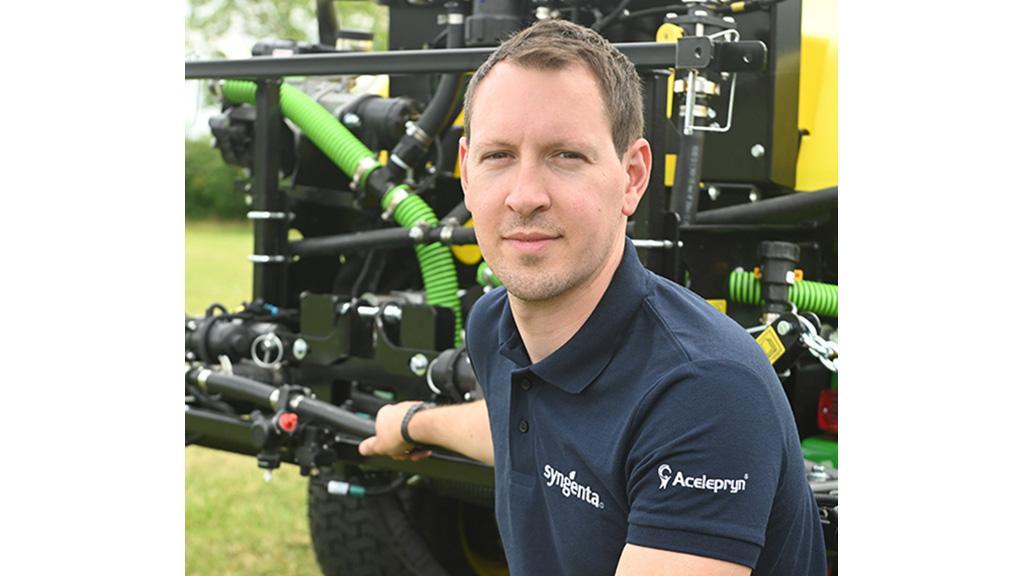
As we move into winter and a key turf disease control period, one of the questions repeatedly asked is ‘How long will my fungicide last?’, explains Syngenta Technical Manager, Sean Loakes.
It is especially relevant with this season’s conditions resulting in dollar spot and anthracnose outbreaks rolling on, and already creating serious challenges for microdochium patch (fusarium) pressure.
Scientific measurement of the fungicide’s active ingredient’s half-life can tell how much physically remains in or on a leaf, under a given set of laboratory conditions. However, for day-to-day turf management a huge number of variables influence how long the effects of a fungicide application will last in practice.
This comes down to:
|
|
|
|
|
Understanding how those variables will impact on results is important in creating an effective preventative fungicide programme, as well as the knowledge to adapt the programme to conditions that will optimise performance.

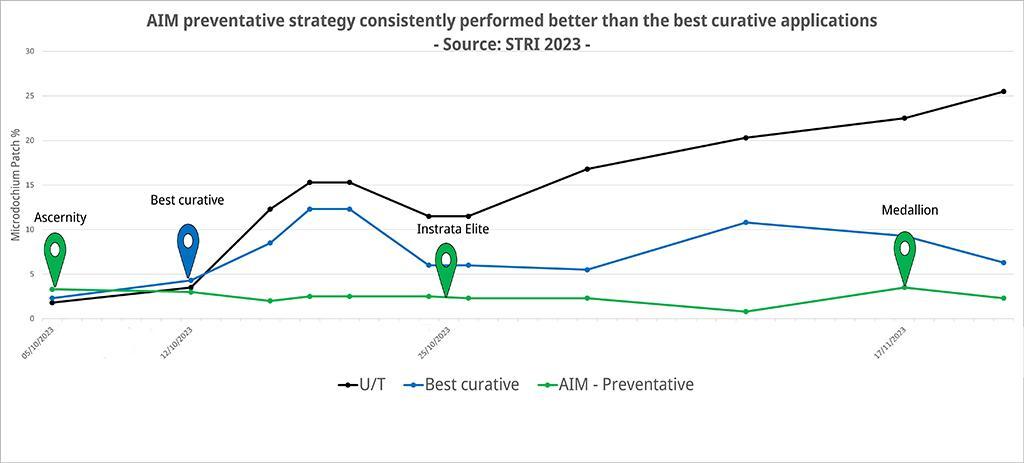
Trials have demonstrated Integrated Turf Management (ITM), which combines cultural techniques to make conditions less favourable for disease and plants more resilient to the effects of infection, will slow down the build-up of disease and extend results from fungicide treatments.
Disease knockdown
The impact of initial disease pathogen knockdown has one of the biggest effects on how fast the population can recover back to damaging levels – and ultimately how long the fungicide results will last. The potency of the selected active ingredient against the specific target pathogen is crucial.
Choosing a fungicide that is highly effective against your target pathogen, and using it in the right time of year and conditions is crucial. A systemic fungicide that works by moving around within the leaf typically requires the plant to be actively growing to make the most of its effects. A contact product that works by coating the leaf and preventing infection getting in, however, is best suited to periods of slower growth where protection stays in place for longer.
What is increasingly apparent is that with climatic changes to weather patterns, decisions need to be made on conditions at any given time, rather than historical choices made on seasonal dates.
Life cycle stage
Furthermore, the mode of action of different fungicides target specific stages, of the life cycle; so if the product is applied just when the disease is reaching that point, it will have the greatest effect and results will last longer. The challenge is that disease populations are highly dynamic and will typically be present on the turf surface at differing stages in its life cycle.
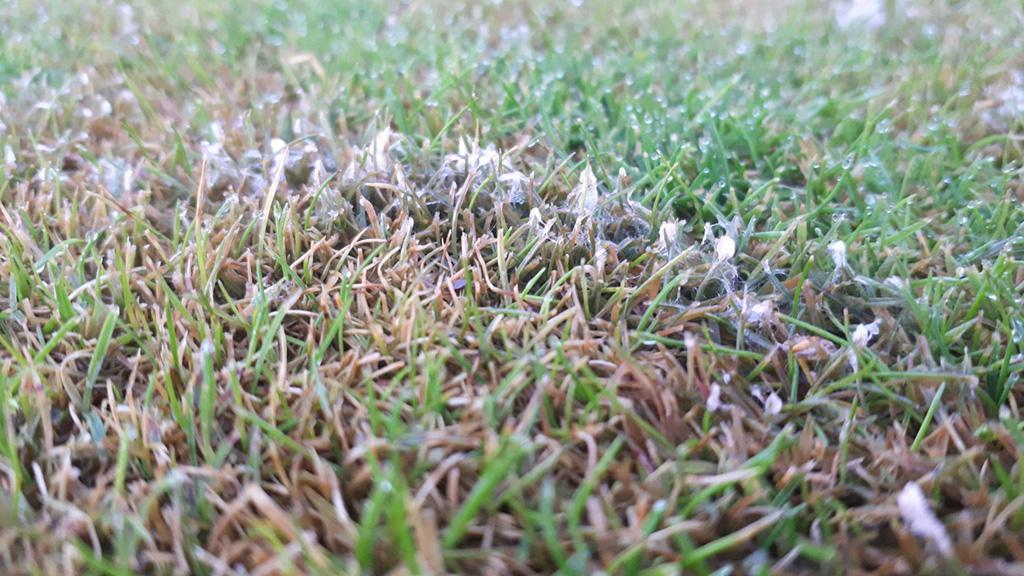
Today’s fungicides all work most effectively to prevent the early stages of disease infection. Since that is before any signs of infection are visible on the leaf, it is reliant on risk assessment based on greenkeepers’ experience of their specific course and conditions, along with weather and disease forecasting, to pre-empt when and where disease is likely to breakout.
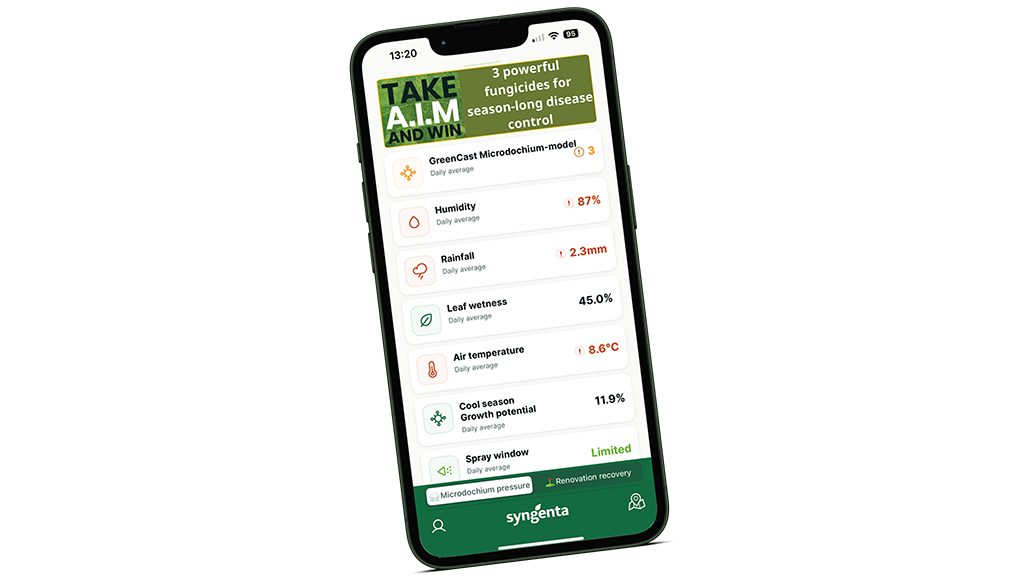
The development of more sophisticated disease models, now available in the Turf Advisor App, along with digital mapping will further help with decision making in the future, with better timing of fungicide treatments guided by the app giving longer lasting results.
Decline rates
Once applied, a fungicide’s active ingredient starts to naturally breakdown into its constituent chemicals. The rate at which that change occurs depends on a number of factors, including:
|
|
|
|
|
|
In most instances this is directly related to temperature – the warmer the conditions the faster the breakdown. It’s no coincidence that warmer temperatures directly correlate to higher levels of growth and potential dilution of active in or on the leaf; with any reduction of effectiveness of a fungicide often associated with “growing out”.
For example, published research has shown the half-life of one, now withdrawn, contact active on the leaf was 39 days when treated plants were incubated at 10°C, but only nine days at 20°C and less than five days at 30°C. While another active the half-life was nine days at 10°C, but four days at 30°C.
Where a fungicide is taken up by the root or crown of the plant, that can act as a reservoir to replenish the active in the growing leaf for longer periods. One new Syngenta active, which is taken up by the crown and leaf axials, for example, has been shown to have no apparent loss in concentration in the leaf 10 days after application.
Day degree limitations
The fact that fungicide actives naturally decline faster at higher temperatures would suggest that applications based on Growing Day Degrees (GDD) would be a useful guide. Whilst it does have merit, the fact that each active declines at different rates would require a different GDD for each product. It also takes little account of other factors, including the fungicide’s mode of action, clipping removal or climatic influence on disease pressure.
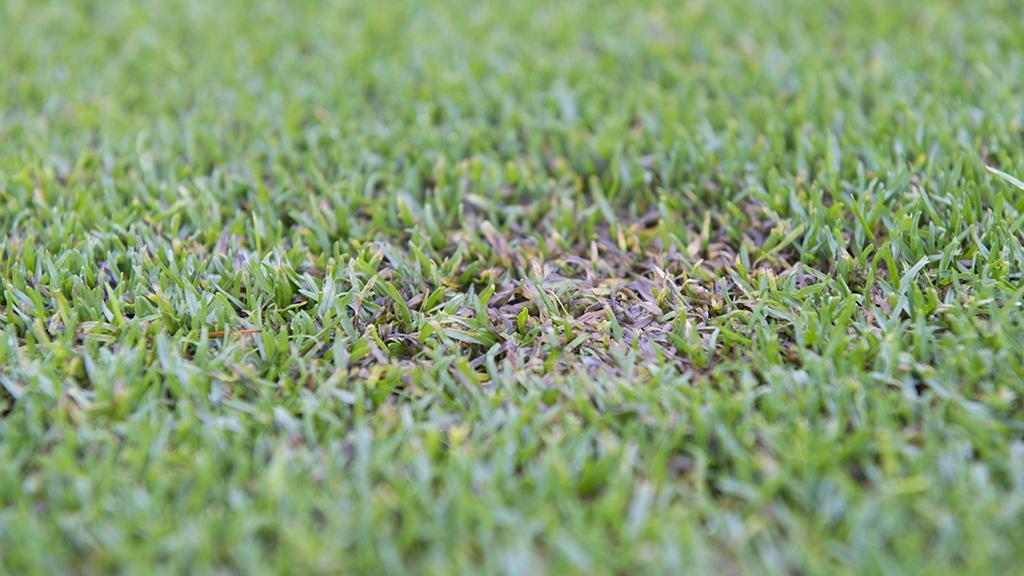
Furthermore, if the GDD were reached and a further fungicide applied at a time when disease pressure was low; it could be largely unnecessary, or may even be counter-productive if risk then rises when the optimum efficacy of the treatment had expired.
However, using temperature as a measure to think about timings, combined with enhanced disease modelling, has helped many turf managers move away from the simple calendar-based “monthly application”.
The move now is to think more about adjusting application windows based on the weather conditions and amount of disease pressure, along with looking forward to predict future disease pressure and identify suitable application windows.