Counting the cost of dollar spot

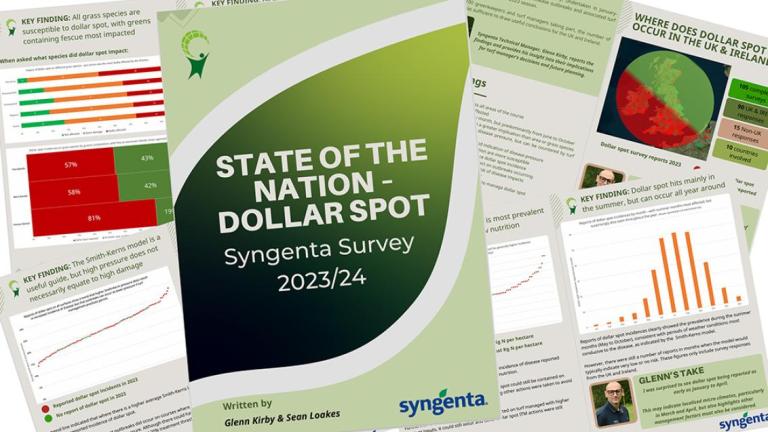
The Syngenta Dollar Spot State of the Nation Survey earlier this year has given a clear picture of some of the reasons why the disease has become more severe and why it’s occurring for longer each season.
With over 100 responses, and 90% from the UK, it included feedback from some of the most severely hit golf courses across the country, reports Syngenta Technical Manager, Sean Loakes. Importantly it also highlighted the management practices on golf courses where the incidence of disease is very low, providing an essential insight into Integrated Turf Management (ITM) techniques that could help to reduce the frequency and damage caused by attacks.

One of the encouraging findings was that high disease pressure, as predicted by the Smith-Kerns model, does not necessarily mean a high incidence of disease – where management practices are in place to mitigate against outbreaks.
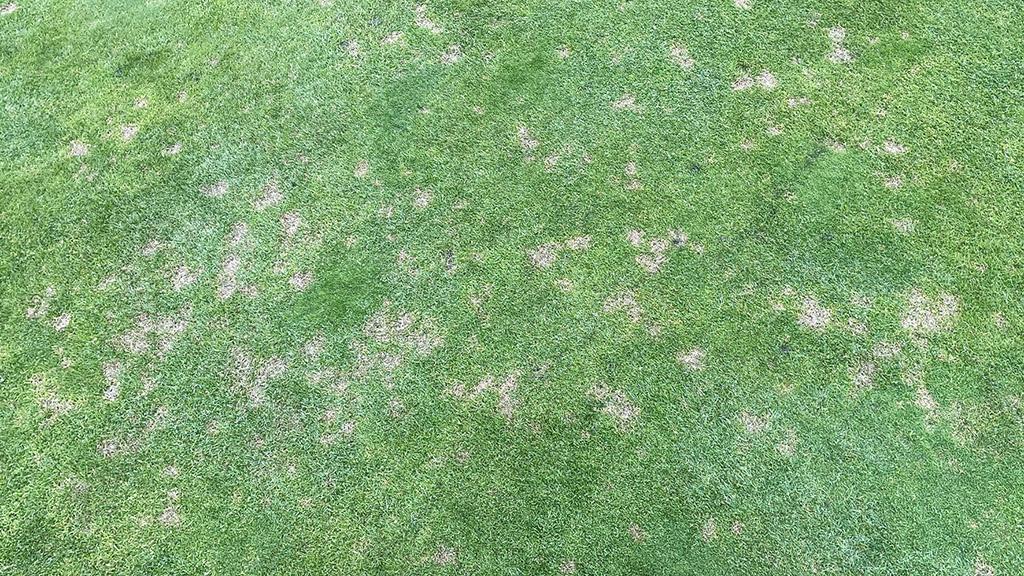
However, the results also showed that outbreaks can frequently occur even at relatively low disease pressure risks, if the management practices on the course are conducive to the pathogen’s development.
It was quickly evident that dollar spot outbreaks can occur anywhere on course, with greens identified as the most frequent target (64% of reports), along with tees (50%, approaches (36%) and fairways (26%).
That was interesting, since in many instances it is often the less intensively managed areas, such as tees and approaches, where dollar spot is frequently seen.
Responses showed that all grass species were susceptible to dollar spot. The general feeling was that Poa annua was the worst affected, but when the data was analysed of putting surfaces alone, it showed greens that contained fescue were more likely to be impacted. That would begin to suggest that it is the management practices on surfaces that is the driver for disease, rather than the grass species being susceptible.

As expected, dollar spot outbreaks typically begin to be identified in May, peak in July to September, then rumble on into October and fewer in November. However, it was notable that incidences were reported as early as January and increasing through March and April.
With nutrition recognised as a key component of dollar spot ITM, analysis of the survey data supported the trend that those who manage surfaces at higher nitrogen inputs have lower risk of infection breaking out.
Of those who were applying less than 90 kg/ha of N on greens, more than half reported seeing dollar spot infections.
Furthermore, the survey picked out that rolling turf surfaces can be a good management practice to reduce dollar spot on greens. For those who never rolled or only roll once a week, disease outbreaks occurred on 68% - 75% of courses, while no outbreaks were reported on greens rolled six or seven times a week.

International research had previously indicated that lower soil moisture content can make turf more susceptible to dollar spot outbreaks – which has been confirmed by the UK survey. Overall, 61% of courses managed with a target soil moisture below 20% VMC (Volumetric Moisture Content) reported suffering dollar spot outbreaks, compared to 39% clear of infection.
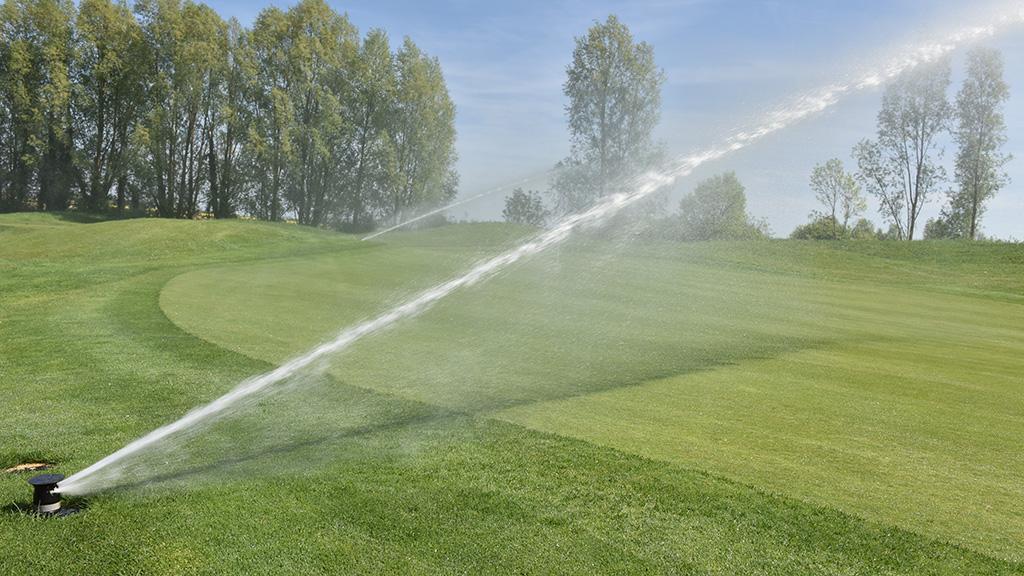
When the threshold is pushed harder, to a lower target VMC, infection correspondingly rose to over 70% of courses affected. Where managed at a higher (21% - 25%), however, dollar spot was recorded on just 36% of courses.

While most greenkeepers are striving to reduce organic matter in surfaces for a host of reasons, when it comes to dollar spot the survey identified no correlation between OM in the upper profile and the incidence of disease.
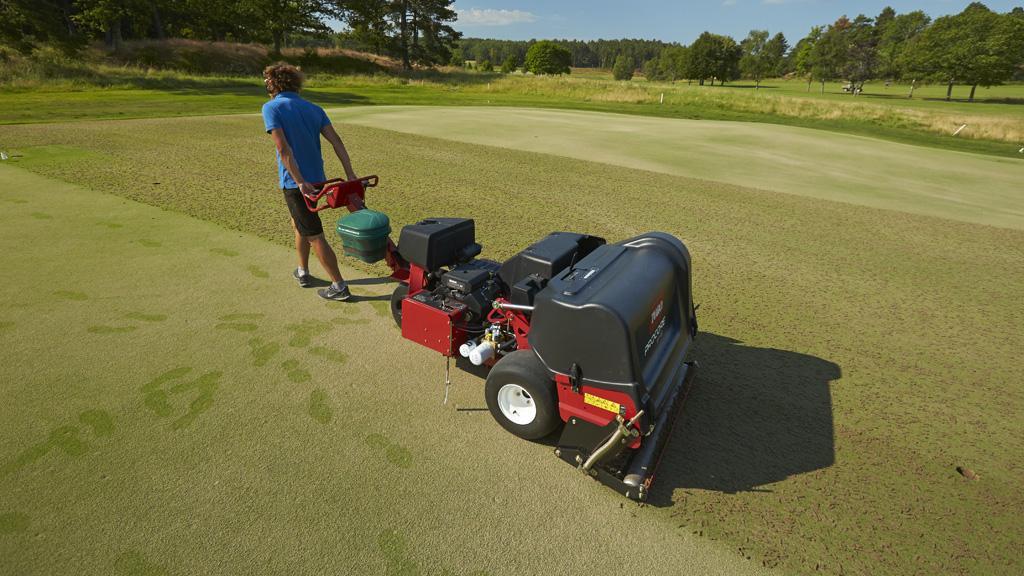
Feedback from greenkeepers also indicated that there is no implication for dollar spot from lower heights of cut. In fact, with tees, fairways and approaches reported as often more severely impacted than greens on the same course, it is reasonable to suggest that turf at a higher cut is more susceptible to outbreaks and requires other management practices to mitigate against dollar spot outbreaks.
Height of cut is a dollar spot management technique that Syngenta is keen to explore further as part of the ITM strategy, but will have to be explored with the understanding that a lower cut might increase plant stress and incidence of anthracnose.
The survey results also highlight the complex interaction between multiple greenkeeper managed aspects that influence the likelihood of dollar spot outbreak, irrespective of weather induced risk factors.
Where greenkeepers are managing surfaces at lower VMC %, using lower N inputs and raising the height of cut for finer grass fescue-mix swards, they can be creating conditions more favourable to dollar spot.
Nearly 60% of respondents reported they have used fungicides to manage dollar spot. Advancements in fungicide technology, improved disease modelling - using the Turf Advisor app to better time applications during high-risk periods – and enhanced application techniques are key to getting the best results.

New Syngenta fungicide R&D trials last year, under extreme dollar spot pressure at Burnham & Berrow Golf Club in Somerset, with treatments applied to coincide with spikes in local Smith Kerns forecasts, saw up to 70% reduction in disease damage through peak summer periods.
From the end of June to mid-October the site experienced dollar spot disease pressure above the 20% Smith Kerns threshold on over 105 of the 120-day trial period.
Once initial disease infection had been controlled in the trial, the fungicide programme, including Ascernity and Instrata Elite, maintained completely clean tee surfaces through the season, when disease damage on untreated tee areas consistently remained between 16% and 27% of surface area affected throughout August and September.
Dollar spot has the potential to get worse with current trends in climatic conditions. ITM strategies utilising cultural and fungicide inputs will be crucial to manage the disease at acceptable levels in the future.

The advice and experiences of the survey can help to set your dollar spot strategy, in time for the summer season.