Get ahead of microdochium
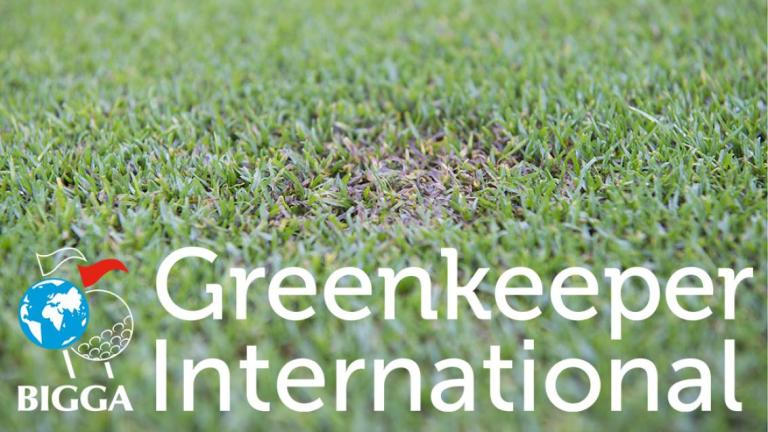
Microdochium patch - fusarium – was historically the major challenge for maintaining playing surface quality. Despite a warming winter climate favourable for the disease, a better understanding of its control and highly effective treatments had reduced its impact for many, reports Syngenta Technical Manager, Sean Loakes.
However, initial results of the Syngenta Microdochium State of the Nation Survey has identified incidences are now on the rise, along with disease pressure and damaging outbreaks rolling on longer each year, well into the spring.
That could be a combination of climatic change creating conditions for infection, along with some ITM actions aiming to reduce the impact of dollar spot and anthracnose making turf more susceptible to a greater impact of microdochium, particularly an increase in nutrition, along with species composition.
Furthermore, weather conditions in later spring, with periods of wet and mild conditions highly conducive to disease outbreaks, followed by cold or low light conditions where turf is unable to outgrow disease effects. The result has seen some hugely damaging attacks.
The most damaging incidences typically occur with early outbreaks in autumn, when turf growth is slowing with poor levels of recovery, that can leave surface damage right through the winter.
Even where scars have the chance to heal over, as soon as conditions conducive to the pathogen return further outbreaks could flare up. That has been compounded by the lack of hard frosts that would limit disease development.

A microdochium dashboard created in the Syngenta Turf Advisor App provides the proven GreenCast microdochium model scale of risk, used in conjunction with weather conditions that increase the threat. That would include air and soil temperatures, coupled with periods of high humidity, rainfall and prolonged leaf wetness. It can also add in models for cool season growth potential and GDD, which would help indicate when turf growth may limit resilience and recovery from attack.
Importantly the App includes the weather information for the preceding week - which will be the major influence on what is impacting on turf now - along with predicted forecasts for the coming days, in time to take preventative ITM actions.
Longer term strategies to reduce microdochium risk include long term management of organic matter - which can be a reservoir of infective spores – along with clearing vegetation around greens to improve sunlight and air flow that will help to dry surfaces and remove leaf wetness the pathogen needs to develop.

Balancing nutrition to avoid susceptible weak lush growth reduces risk, along with sward composition to increase the percentage of disease tolerant species or cultivars. Initial results from the greenkeepers’ survey indicate Poa annua dominant swards are seen as significantly more susceptible to outbreaks, followed by fescues and with the least badly affected reports on browntop (Agrostis capillaris) or creeping bent (Agrostis stolonifera) dominant surfaces.
Furthermore, any ITM actions to improve turf strength and rooting reserves, including wetting agent strategies, biostimulants and Primo Maxx II programmes will make plants more resilient to withstand initial microdochium pressure.
But when weather conditions and plant stress increases the risks of outbreaks, immediate actions to dry surfaces, through switching off moisture or dew suppressants, can make a difference by reducing infection pressure. It’s at this point that well timed preventative fungicide applications will have the greatest impact in stopping disease outbreaks.

New fungicide research at STRI has shown the preventative application using the AIM strategy (Ascernity fb. Instrata Elite fb. Medallion) consistently reduced microdochium effects and improved turf quality.
Applied at 21-day intervals when disease pressure was high, from early October to mid-November, this preventative approach significantly outperformed any of the curative treatments in the trials (below).

The preventive approach performed significantly better in all assessments of turf health, including quality, colour, disease incidence and NDVI measurement. From mid-October through to the end of November, disease levels on the untreated turf hit over 25% of surface area affected, compared to an average of less than 2.3% through the entire period with the preventative AIM programme.
While microdochium control is clearly essential for maintaining playing surface quality through the winter months, work at the Irish Sportsturf Institute (ISTI) indicates that controlling the pathogen to produce healthy turf has further benefits by reducing disease throughout the year, when dollar spot pressure is increasing, for example.
In its trials, under wet and temperature conditions highly conducive to microdochium development, the preventative AIM strategy was again the stand-out treatment, for both turf quality and disease control – suppressing disease to a far greater extent than all other treatments. Average disease incidence in over 100 days of trials was just 0.5% with the preventative applications, compared to over 12.5% in the untreated.
The Microdochium State of the Nation Survey, which will be published in time for this autumn’s actions, will give a good indication of what ITM measures currently work most effectively for greenkeepers.
As the challenges of weather conditions and available technologies, along with increasing demands of player expectations, continue to change, those practices are also going to have to adapt and evolve in the future.