Rescue II removes coarse grasses for fine turf restoration
New Rescue II from Syngenta how gives turf managers the chance to selectively remove invasive coarse grasses from fine turf surfaces, while leaving desirable grass species unaffected.
|
|
|
|
The eagerly awaited launch of Rescue II utilises the same innovative herbicide technology as original Rescue, but in a new formulation designed to maximise efficacy on target problematic coarse grasses, while enhancing safety on selected species.
The new approval for Rescue II covers all managed areas of the golf course and fine turf sports surfaces, such as bowling greens and croquet lawns.
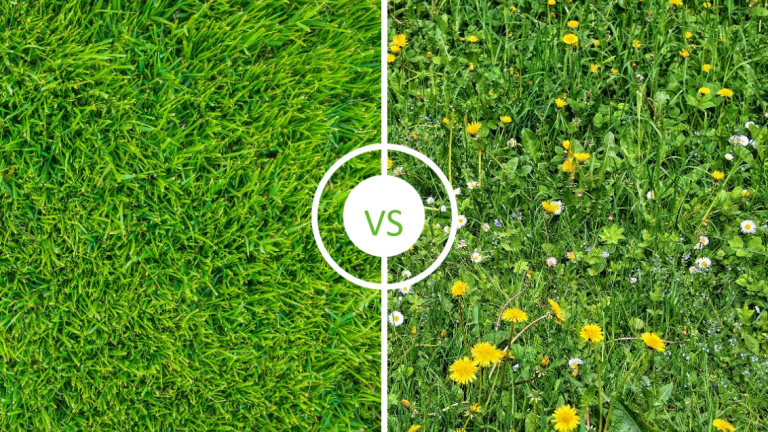
Invasive coarse grasses severely affect the smoothness and consistency of fine turf playing surfaces, as well as visual appearance, warns Syngenta Technical Manager, Pete May. “Thick clumpy ryegrass and Yorkshire fog also makes rough areas unplayable and slows up golf rounds, as well as choking out wildflowers and natural fauna.
“The chance to selectively remove the unwanted coarse grasses quickly and cost effectively rejuvenates sustainable fine fescue surfaces and allows attractive wispy rough to flourish.”
Coarse grasses can spread from surrounding roughs and out of play areas, or historic agricultural sources, he reports. Turf cover loss on fairways through drought conditions in recent seasons has also enabled more coarse grasses to encroach into playing areas.
“It is crucial to accurately identify your existing sward composition before starting Rescue II treatment programme, to pre-assess effects and how much will be removed,” says Pete.
“A range of coarse grass species will be taken out, while fescue grasses and Poa annua will be unaffected. Some bentgrass species are seen to be more affected than others, so if they form a high proportion of the sward, it’s advisable to do some test treatments first.”
Rescue II can be used as a key part of a sward rejuvenation programme, including overseeding with fescue grasses prior to, or bent and fescue post application, to rapidly restore surface quality after target coarse grasses have been removed. In most cases is no interruption to play during the treatment process.
Application at a rate of 0.82 l/ha between March and the end of August. Applications should be made when target grasses are actively growing to maximise uptake and translocation to the roots, while a period of prolonged growth also helps turf surface restoration as coarse grasses die back.
The Rescue II programme is supported by a package of information and advice, including a comprehensive grass identification guide, technical use guide and Turf Advisor dashboard to support application timing. A clubhouse poster is available to inform players what they will see and an online Q&A answers questions for club managers and players on the Syngenta Turf website.