Tees, trees and happy bees
For years, golf has been battling a perception that it’s just not good for nature. But are golf courses actually bad for the environment, questions Stella Rixon, senior agronomic consultant at STRI Group.
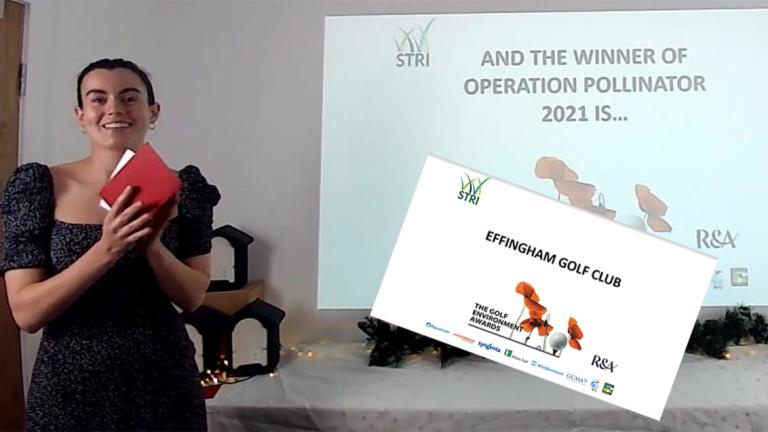
Now celebrating it’s 30th year, the Golf Environment Awards (GEAs), including the Syngenta Operation Pollinator Award, have been promoting the incredible work of golf clubs across the UK, and internationally.
Celebrating sustainability, conservation, ecology and caring for the environment; each year golf clubs share their journey into plans and practices they have, continually encouraging wildlife and biodiversity.
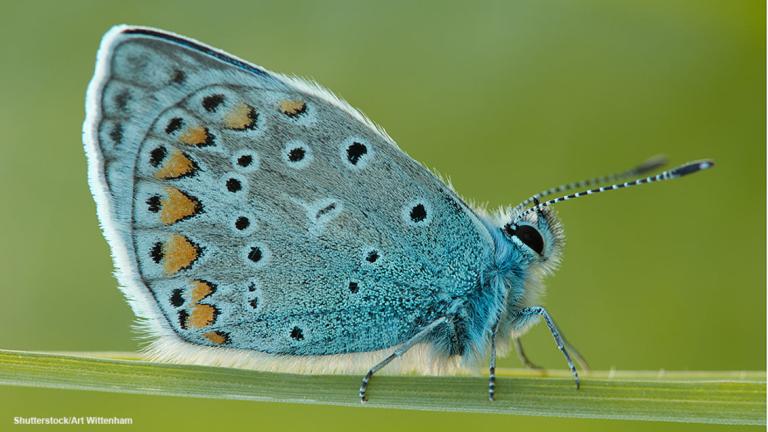
Find out more about Planning for Pollinators on your course
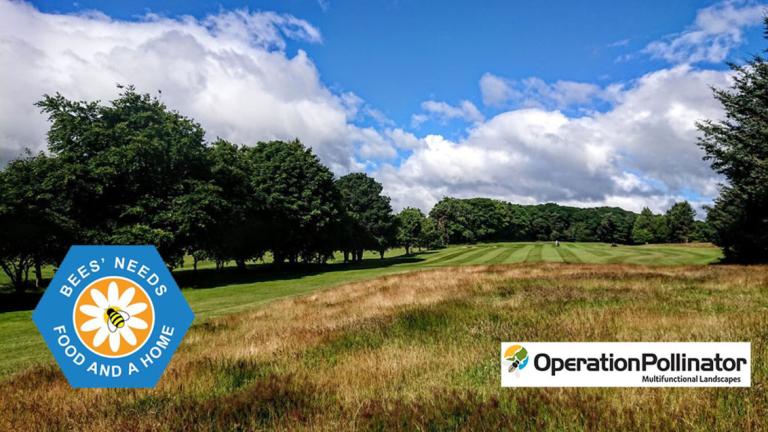
STRI calculates golf courses represent 33% of the UK’s open space and, when managed properly, can significantly enhance biodiversity, conserve rare habitats, and be one of the leading sectors in promoting positive environmental practices.

"Habitats of any kind need maintenance," advocates Stella. "Heathland and link dunes require grazing and mowing to stop dominant species taking over."
"Greenkeepers are key to creating a mosaic of habitats and helping to encourage strong biodiversity across the courses and getting the right balance."
“At a time when golf clubs are facing rising costs of materials and fuel, there is no better time to assess what areas need minimal maintenance and let mother nature take care of the site.”

Continuous improvement and monitoring of an ecosystem is so important and can create vital stepping stones among urbanised landscapes, she says.
"Through studies, it has been proven that golf courses are even superior to farmlands for supporting the diversity of tree species and therefore bird diversity as well."

Nature conservation bodies are now increasing their efforts and funding into establishing ‘wildlife corridors’, which improve the capacity of species to move between remnant areas of good habitat. They have recognised golf courses as having important roles in the success of this mission.
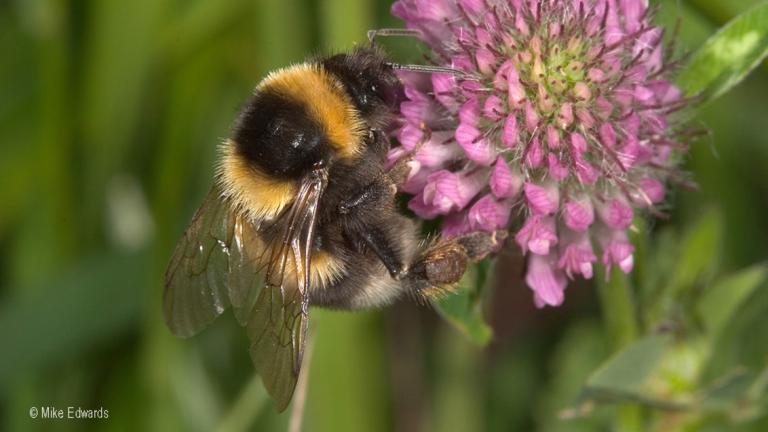
Numerous courses across the UK are involved with safeguarding rare species and re-introducing those which are declining. These incredible efforts are helping revive wildlife which may have been lost and creating eco-systems with longevity, enthuses Stella.
Attitudes towards golf courses needs to change, she argues.
From a survey of 94 clubs in the UK, 90% of course managers considered that golf courses were important to wildlife, with over 60% wanting to do more to promote wildlife on their courses.
In addition, over four million people a year register as golfers within Europe. The influence golf courses have on members is massive and through education can show how they themselves can have a positive impact on the environment in their own back gardens.

STRI Group is passionate about creating sustainable spaces for people to enjoy and working alongside companies who share this vision.
This GEAs are supported by lead partner The R&A, and sponsors BIGGA, Syngenta, Aquatrols, Tillers Turf and Jacobsen.
Entries for this year's Operation Pollinator Award and all the GEA's have now closed. Look out for the Award's presentation news at BTME in January.