Sustainable strategies for future golf growth
Greenkeepers hold the key to delivering sustainability solutions that are increasingly important for the management of golf clubs, writes Syngenta Business Manager, Sarah Hughes.

Sustainability and resilience are no longer buzz words. They are already critically important in day-to-day management of high-quality turf surfaces, and will be increasingly relevant in planning and decision making into the future.
Climatic changes are creating conditions that are more challenging than ever for turf management. Addressing these increasing issues requires new techniques and strategies, many of which are entirely compatible with more sustainable Integrated Turf Management (ITM) practices.
Sustainability drivers, including for resource use and ecology, are recognised as a primary challenge for golf club management and the future of the industry. Policies that had once seemed ethereal or abstract now have real practical implications. And it is the greenkeeping teams that will have to implement many of the measures if they are to succeed.
Putting together a sustainable ITM programme may feel daunting, but in many instances the techniques are already being employed. Pulling them into a format that fits with the club’s sustainability objectives develops a coherent strategy and helps ensure club management and players buy-into the greenkeeping plans for in-play turf areas and positive ecology work in out-of-play areas.
ITM certainly entails drawing on historic greenkeeping skills and experience, but that doesn’t mean going backwards. Successful strategies will add in appropriate new techniques and technologies to further strengthen established cultural practices, as well as ensuring the tools currently used remain effective and available.
More options and innovations in turf agronomy continue to be needed to better cope with greater climatic challenges, including more resistant or resilient turf varieties, new mechanical tools, further improved fungicides and proven biostimulants or bioproducts. There is now the benefit of greater science and research with product developments, that will better understand how and where to get the best out of new technologies in an ITM programme.
In the case of fungicides - which are still the essential top tier of the ITM decision tree, to support cultural controls when the pressure gets too high - that means a legislative system that recognises their value in developing new products, along with greenkeepers’ skills to ensure they are used correctly and appropriately to prevent losses and resistance.
ITM measures do bring a greater buffer of resilience to counter climatic conditions. Turf that is naturally stronger, through strategies to enhance rooting and photosynthetic activity, for example, is better able to withstand periods of drought or hot weather. And will be better able to recover from the stress effects.
Syngenta R&D and trials for new product introductions increasingly assess their interactions within ITM programmes. Some of the new biological products can give significant gains in turf quality and consistency in the programme.
Improved rooting is also associated with more efficient uptake and utilisation of nutrients and water, helping to make better use of resources that is a cornerstone of sustainable use policies.
Each component of the ITM strategy has its role, but it is still up to the skills and experience of the greenkeeping team to select the right product at the right time to get the best results. However, we do now have the advantage of digital decision support tools to increase awareness of risks and challenges and bring far greater level of precision to ITM actions.
Following the Turf Advisor Growth Potential model, for example, will govern the plant’s ability to recover from greenkeepers’ activities, alongside previous and current risks of potential disease threats and the selection of the most appropriate fungicide options, according to weather and growing conditions.
Possibly the greatest challenge, however, will be for golf club management, members and players to understand and appreciate their surfaces are likely to change more during the season, and that some of the measures necessary in implementing an effective ITM strategy will have implications for playability.
There are now initiatives to work with industry stakeholders and supporters, including The R&A, England Golf, BIGGA and Syngenta, to develop sustainable best practice plans and communicate them effectively to clubs and players.
Environmental sustainability
With the public and political drive for environmental sustainability, golf courses can prove to be a valuable restorative industry, with the capability to increase biodiversity, protect natural resources and mitigate climate impact.

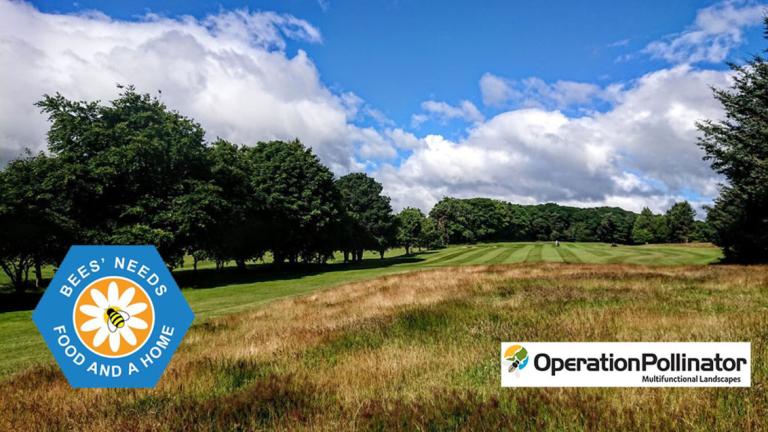
Ecology initiatives such as Syngenta Operation Pollinator present a huge win for greenkeeping teams and the golf club. Right from the initial involvement to restore and manage small areas of habitat, it will provide visible and quantifiable improvements in biodiversity net gain.
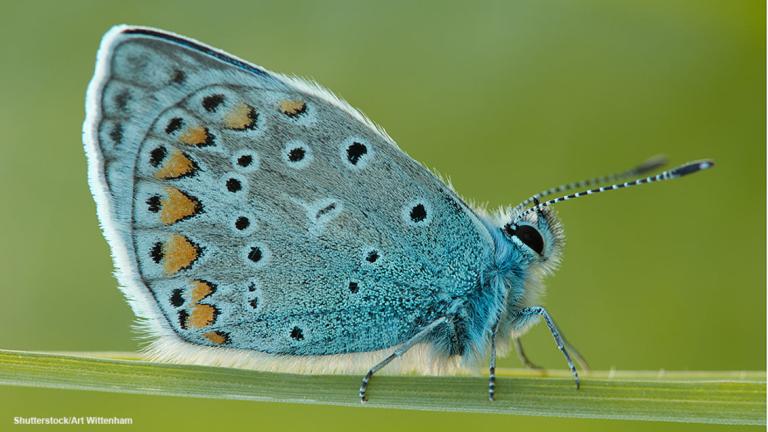
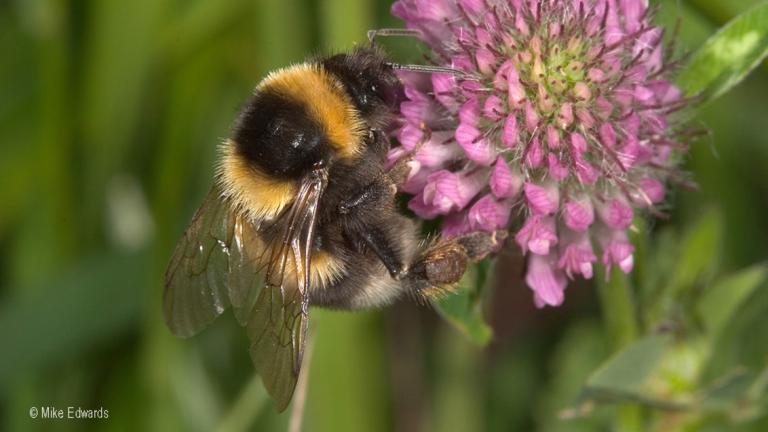
Ongoing practices to manage areas of pollen and nectar rich habitat will provide essential food resources and nesting habitat for pollinators, including native bees, butterflies and other insects, along with the natural ecosystem they support.
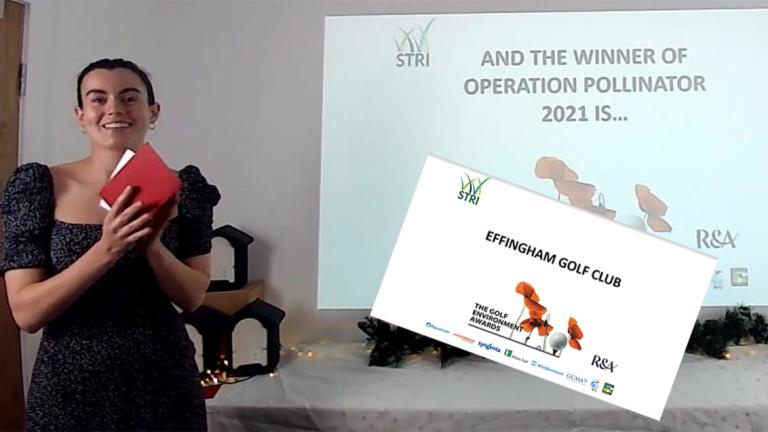
The successes of golf clubs over years of the Syngenta Operation Pollinator Awards have highlighted how, working with specialists including local wildlife trusts over successive years, gives the chance for golf clubs to join up a huge extended network of habitats with immense ecological value.
Championing those ecology enhancements, through engagement with club members and the local community, gives the chance to demonstrate the positive approach to sustainable management of the whole golf course, alongside presenting quality turf surfaces where golfers are proud to play.