BTME News - Coping with a changing climate

Weather patterns are creating an increasing challenge for turf management. One of the biggest impacts now, and certainly into the future, is the implications for damaging disease effects.
New technologies on show with Syngenta at BTME, including the Turf Advisor App, linked soil sensors to provide real time data of on-course conditions and plant health monitors, will help greenkeepers and agronomist make better proactive decisions for ITM actions, biocontrol treatments and fungicide timings.
Issues associated with the changing climate have seen a wholesale shift in diseases affecting turf, along with the patterns of outbreaks occurring, warns Syngenta Technical Manager, Sean Loakes.
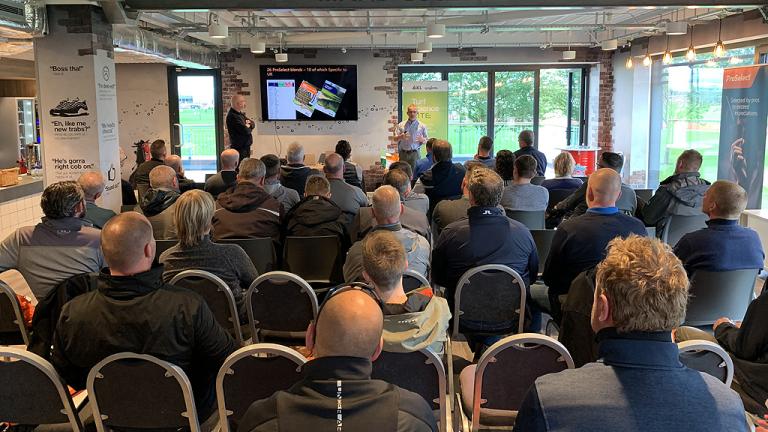
Speaking at a BTME Continue to Learn seminar in Harrogate this month (19 January 2025) Sean will highlight how most turf diseases thrive in the relatively mild and moist conditions that are increasingly prevalent – encouraged by prolonged leaf wetness and the warm micro-climate of the turf surface.
- Find out more in the Continue to Learn seminar, or visit Syngenta stand 226 at BTME -
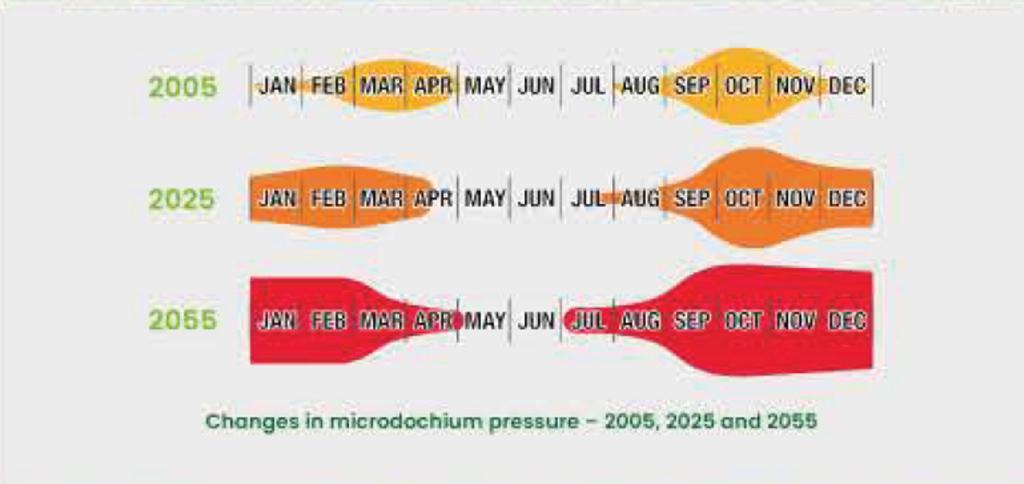
Where early winter microdochium was once the primary scourge of surface quality, for example, typically milder and wetter conditions now keep the pressure on all season, he cites. “Greenkeepers and turf agronomists will have to make significant adaptations to Integrated Turf Management (ITM) strategies to counter the threats and maintain surface quality.
“And, if the trends continue, the pressure is only going to increase."
"It's also compounded by turf itself struggling to adapt to rapidly changing seasonal weather conditions and management strategies,” he advises.
“With such fluid multi-factor influences and the relatively rapid shift in conditions, it is more important than ever to have fungicide plans and strategies that can be adapted to the complexity of current situations.”
A historical approach of fixed routine fungicide applications, relying on the same products applied on calendar dates, have little value in tackling today’s challenges, Sean suggests. Fungicide programmes now, and into the future, must be much more dynamic, proactive and more adaptable to the seasonal threats and real-time disease pressures – using the most appropriate products at the optimum timing.
“Better forecasting of diseases and matching to weather conditions has developed hugely in recent years."
That's provided improved accuracy of the disease models and precision weather forecasting specifically for turf management decisions in the Syngenta Turf Advisor App.”

ITM will help to create healthier plants that are better able to withstand the effects of stress, which is often a precursor of disease outbreaks. Promoting stronger plants, typically with greater and deeper root mass, builds better resilience to the changing climatic stress, he advocates.
“Combinations of biostimulants and fungicides, along with other turf health inducing attributes of Primo Maxx II PGR and Qualibra moisture management strategies, for example, can keep greenkeepers ahead of changing disease pressures – backed by ongoing turf research and decision support tools to help get the best possible results.”
However, even with effective ITM strategies, in most situations more fungicide applications are going to be required to maintain the consistent level of disease control, compared to current conditions. “Fortunately, greenkeepers now have more fungicide products available, and more effective options – along with further new chemistry from Syngenta in the UK registration system,” he adds.
Greenkeepers can register for the Coping with Climate Change seminar, or visit Syngenta stand 226 over the course of the event.