ASOOTY advice for autumn applications

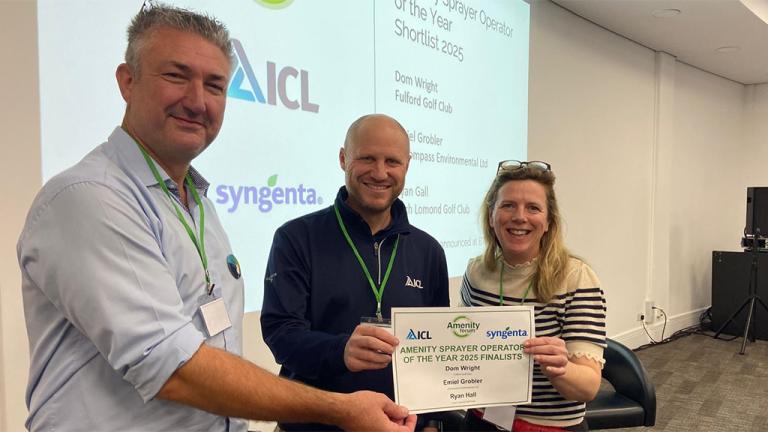
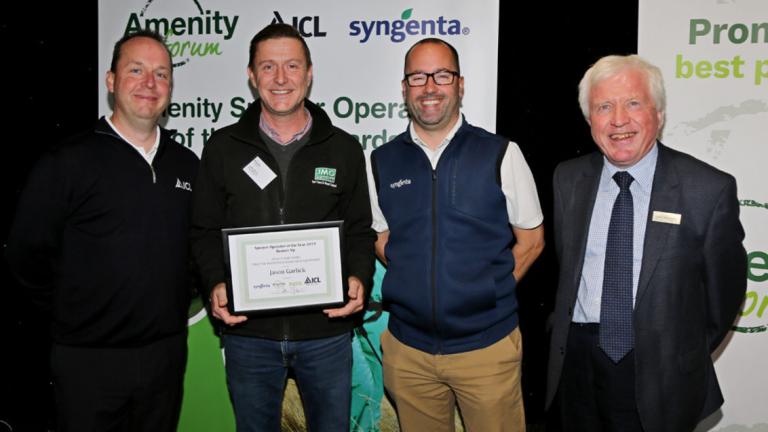
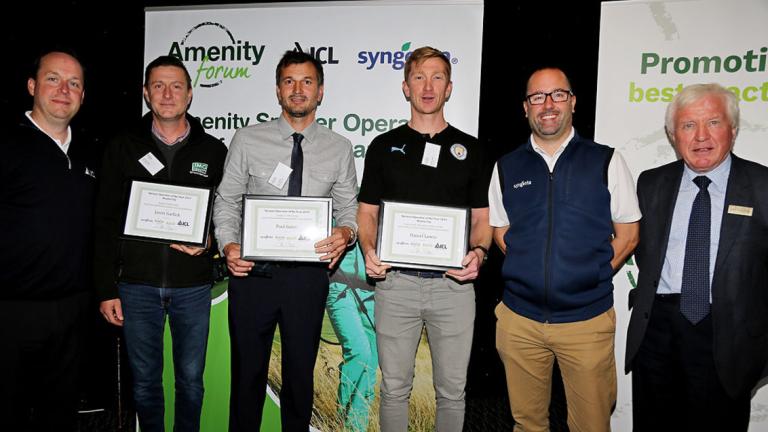
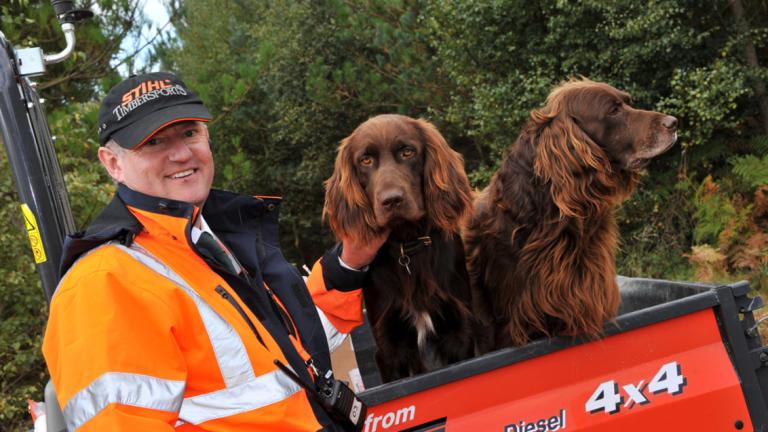
Dan Waring won the prestigious title of Amenity Sprayer Operator of the Year 2023. He’s the specialist sprayer technician for JCB Golf and Country Club near Uttoxeter, ensuring all applications across the site are made as accurately and effectively as possible.
Dan’s Top Tips and advice for fungicide applications this autumn and winter include:
Water volume: My approach to spraying an autumn/winter fungicide would be to use a water volume of around 300L/Ha (dependant on the product), to help the spray stay on the leaf - to maximise its efficacy and getting the most bang for your buck.
Speed: Keep your speeds low, around 4-5 kph to help reduce the risk of product drift, helping it reach its intended target. My nozzle choice is dictated by a combo of the above, but would typically aim for a purple .025 for the leaf coverage it gives you.
Check your tips! Regularly checking your nozzles for wear is a simple yet effective check that can avoid inconsistent coverage or costly mistakes. Using a simple calibration cone, or a more technical one such as the Spot-on calibration tools that we use, can see if your nozzles are keeping up with each other and within the ± 5-10% of the nozzle manufacturers nozzle charts.
Keep an eye on the weather: Checking the Turf Advisor app, Met Office or similar forecast for rainfall before you go out can save product from being washed off and wasted, as well as time. Most products are rainfast (safe to rain after spray application) in an hour, but check your product label.
Buffers: Pesticides can cause environmental damage if they enter the waterways. Before you start, check your product for its required buffer zone to keep spray away from ditches or watercourses, as some buffers will be greater than others. Buffers can sometimes be reduced through a LERAP (Local Environmental Risk Assessment for Pesticides), providing certain conditions are met. Reading labels in advance and making notes of different products you may use can save time when it comes to the spraying operation. The Voluntary Initiative website has some good resources and reading on this.
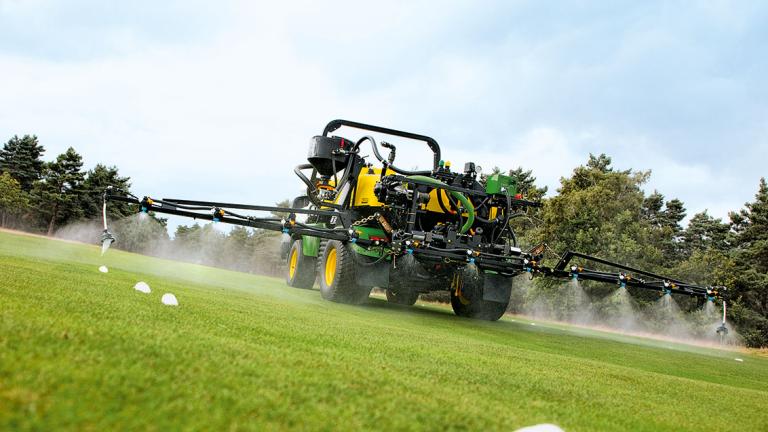
Height: Boom height can have a significant impact on spray coverage but also spray drift. Keeping those booms at around 50cm from nozzle tip to leaf will help achieve this. Using a simple cable tie, string or bar set at that length attached to the boom end will help you keep an eye whilst spraying.
Agitation: The formulation of the fungicide you are applying, will determine the level of agitation you require in your spray tank. If granular or powder formulations are mixed or put in the tank incorrectly, it can cause filter and nozzle issues later in the spray operation. Make sure there is sufficient agitation in the tank to prevent any settling out of any product. TIP: do a bucket mix first to help dissolve granules of mix the powder before pouring this into the sprayer to prevent blockages.
Other products are classed as Suspension Concentrates (SC) or often called ‘flowables’. These are liquid products that contain particles suspended (hence the name) within a liquid. Once they are put into the tank, it is essential to maintain constant agitation to keep them suspended and to prevent blockages.
Adjuvants: Including an adjuvant in the spray mix can enhance performance with some fungicides, to aid their efficiency and ‘sticking’ to the leaf. It’s worth trying some combinations out, as well as talking to advisors and other sprayer operators to learn from their experiences.