
363 results found

Turf Pest
Leatherjackets
Tipula paludosa
Crane fly (Daddy Long Legs) are the adult of the soil pest larvae, leatherjackets. Crane fly (Daddy Long Legs) are the adult of the soil pest larvae, leatherjackets.European crane fly - Tipula paludosa – is the most common in Britain, typically emerging in mid-August to mid-September, but can be later depending on soil conditions.A similar species, Tipula oleracea, also present but at lower numbers. It emerges and flies in May and June.Each female crane fly will lay up to 400 eggs, in small deposits of around six small brown eggs laid in numerous spots at the base of turf plants.Eggs typically hatch in 14 days, with larvae starting to feed.Leatherjacket larvae Crane fly eggs hatch after 14 days. The 1st instar larvae are around 0.3 cm long, growing to one cm after approximately one month - typically around November in the UK.Development continues through to a second and third instar stage, where it will overwinter deeper in the soil.In spring it moves back to the surface to continue…
Turf Disease
Waitea Patch
Waitea circinata
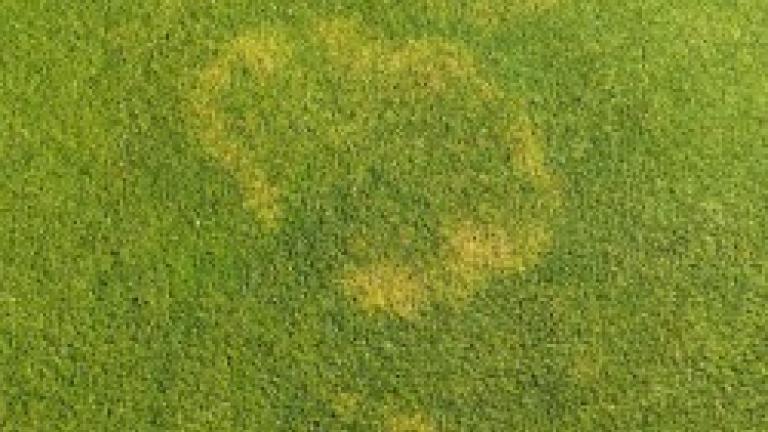
Relatively new to the UK, Waitea Patch occurs primarily in the Summer as it needs both humidity and warm temperatures to develop.The key to controlling the disease is to make sure that moisture and water levels in the soil do not become to high. Hence a soil moisture meter is a good idea.No fungicide Waitea Patch treatment are approved in the UK, but a good Turf Wetting Agent like Qualibra will help.
19.08.2022Water management
Renovation risks
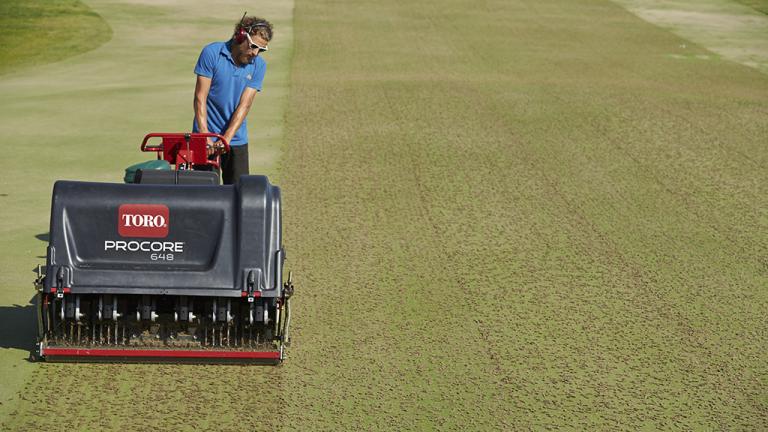
Turf surfaces have been under intense pressure in many areas - with record high temperatures, extreme sunlight and soil moisture issues. Late summer renovation could prove even more challenging this season
19.07.2022Dollar spot
Pay back on dollar spot investment shows returns
Dollar spot is being increasingly reported across the UK. The climatic conditions it requires are occurring more frequently, and some of the changes in turf management practices have further favoured its development

04.04.2022Water management
ITM approach to moisture
ITM strategies to improve water resource use can use the full toolbox of techniques to reduce risks and minimise impacts. Read the latest InSight article.

20.06.2023Operation Pollinator
OPERATION POLLINATOR RESOURCES FOR YOU
Operation Pollinator has already created a real buzz among greenkeepers, club managers and players alike. You can join this exciting initiative that offers potential to restore numbers of bumblebees and other valuable pollinating insects on your course, as well as a great marketing opportunity for the club.

07.10.2021Other turf disease
Wet outlook for disease attack
As we now move into late autumn and early winter, leaves remain wetter for longer and growth slows, while it is still sufficiently warm for microdochium activity. Combined, that creates the ideal conditions for disease outbreaks to occur.
Access Denied
Please login or register to access this content. Note that some content is restricted to specific user groups.
07.08.2023Sustainability
Player power drives ecology success
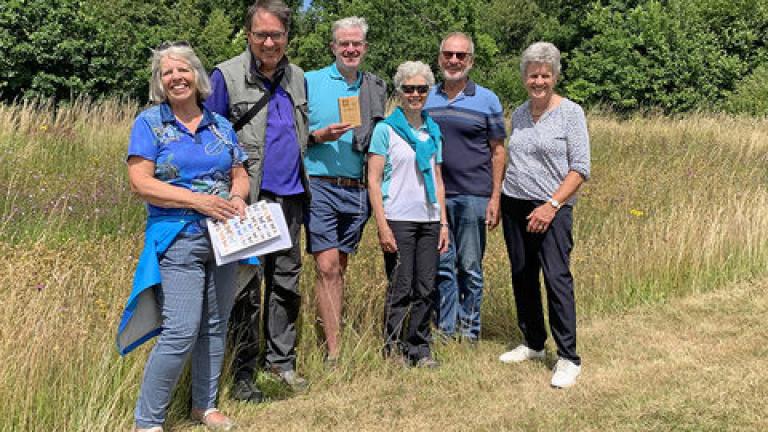
An Ecology Group of players and enthusiasts has helped Corhampton Golf Club to deliver an Operation Pollinator award-winning environmental initiative
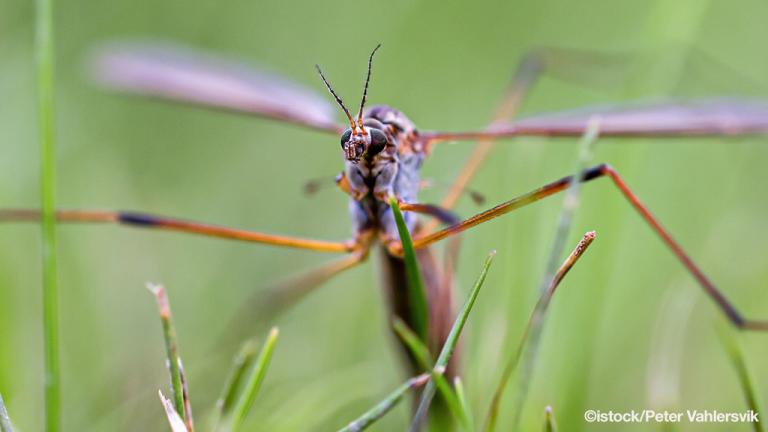
20.07.2021Leatherjacket
Timing to refine leatherjacket actions on greens
In his latest Greenkeeper International feature, Glenn Kirby highlights new Syngenta research that has identified a series of techniques and refinement of practices that could further enhance control of leatherjackets, and help to mitigate the damage they cause on greens.
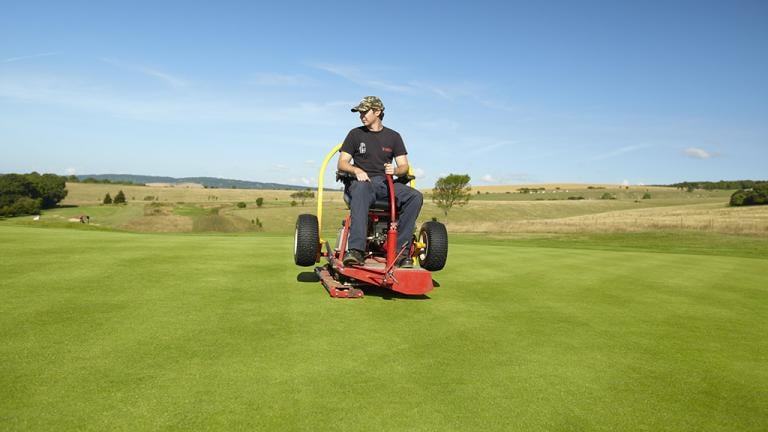
16.05.2021Anthracnose
Get ahead of anthracnose
Anthracnose is one disease where pre-planning an Integrated Turf Management (ITM) approach to prevent outbreaks can pay huge dividends - but that needs to start in May, long before any disease is evident

26.03.2021Leatherjacket
Larvae damage erupts early
As seasonal temperatures are getting warmer, we could expect extended leatherjacket activity. Glenn Kirby outlines the issues and tools for an ITM strategy