Manage moisture hour by hour

Prolonged droughts hit the headlines and can have a catastrophic effect on turf. But even in seasons of average rainfall, it’s the increasing variability and extremes in moisture availability that severely impact on turf health and quality.

Moisture deficit begins to impose stress and influence turf health within hours, reports Syngenta Turf Technical Manager, Pete May, writing in Greenkeeper International magazine.
New Syngenta research to investigate water movement and availability after rainfall events highlights the implications for moisture management and adapting to climate shift challenges.
While average annual rainfall has remained reasonably consistent, the transition between drought and storm conditions we are witnessing is a trend to fewer but more intense rain days.
This highlights the importance of infiltration and retention of this moisture to see us through the periods between these rain events.
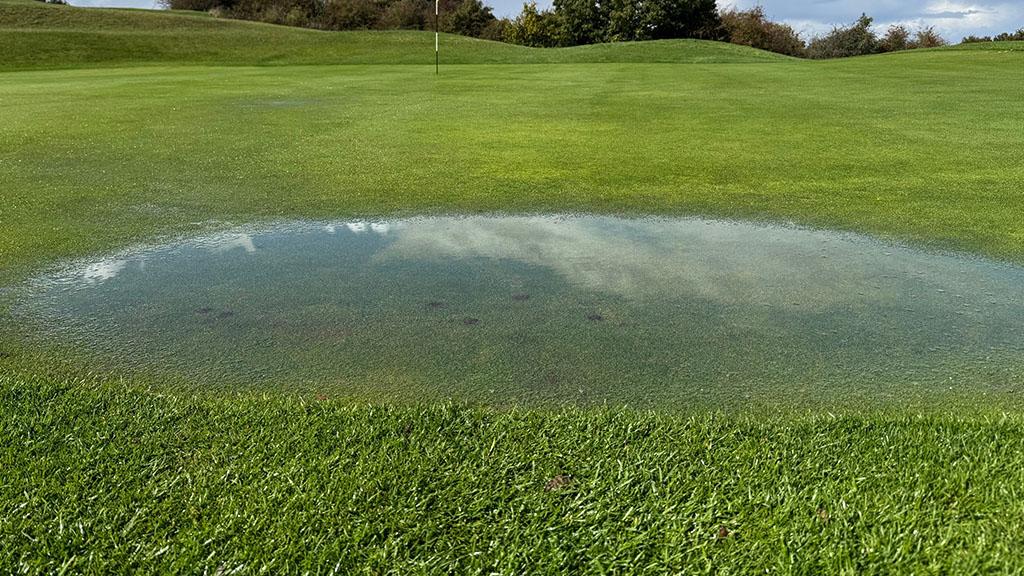
The ability to use novel wetting agent technology to manipulate water movement and holding in the soil profile - both drier in wet conditions and holding moisture when it’s dry - is crucial when we are looking to maximise the utilisation of water resource, be that natural rainfall on fairways or irrigation on greens.
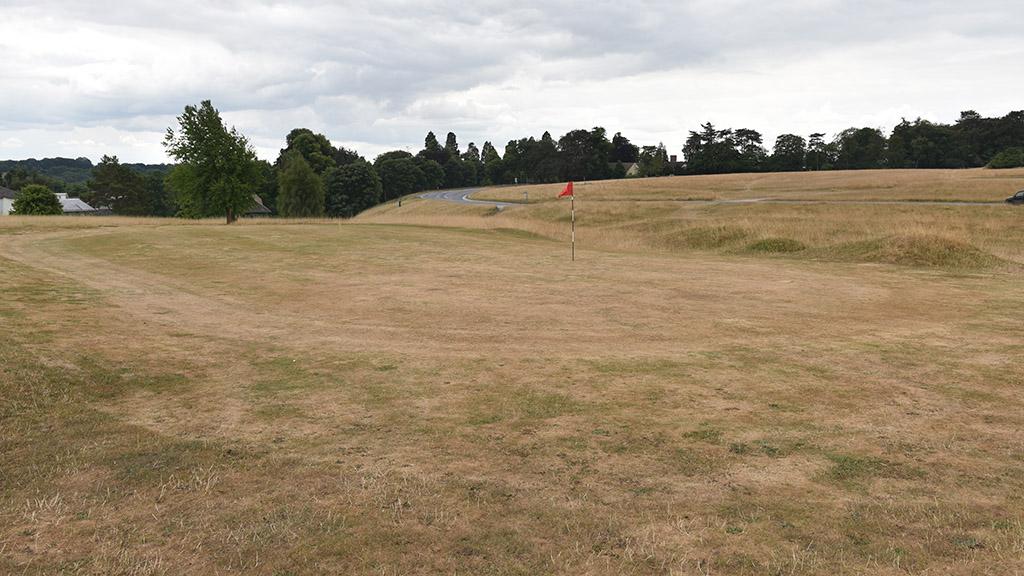
A year with June rainfall of 60mm spread across six days in a normal pattern, for example, is far more suitable for turf health and soil moisture consistency, compared to more recent experience where that same average monthly rain now falls in three 20mm events. Made worse by slow moving weather patterns that give weeks of no rain, and then a short period of intense storms.
Studies have shown that with short, intense rain events, on hot and dry soils, a far smaller proportion of the moisture is retained and utilised by plants – particularly on free-draining sand root zones. Surface run off, high evaporation and dry patch through-flow all reduce the potential offered by rainfall.
With more intense rain events, getting infiltration and even distribution into the soil profile is essential to capture more of the benefit, as well as retaining surface integrity. STRI research, on the notoriously hydrophobic natural sand rootzone of Royal Liverpool Golf Club, Hoylake, demonstrated a 56% faster infiltration at 5 cm depth with a Qualibra wetting agent programme, compared to the untreated.
Furthermore, research has also shown the combination of penetrant and retainer characteristics in Qualibra wetting agent can help to maintain 21% more soil moisture at 8 cm and 17% at 12 cm. Results that were over double that achieved by other premium wetting agent.
New remote soil sensing technologies, being used for assessing innovative Syngenta wetting agent R&D trials, have revealed just how quickly soil moisture can respond to rainfall, and how quickly it can move into soil moisture deficit issues for turf health.
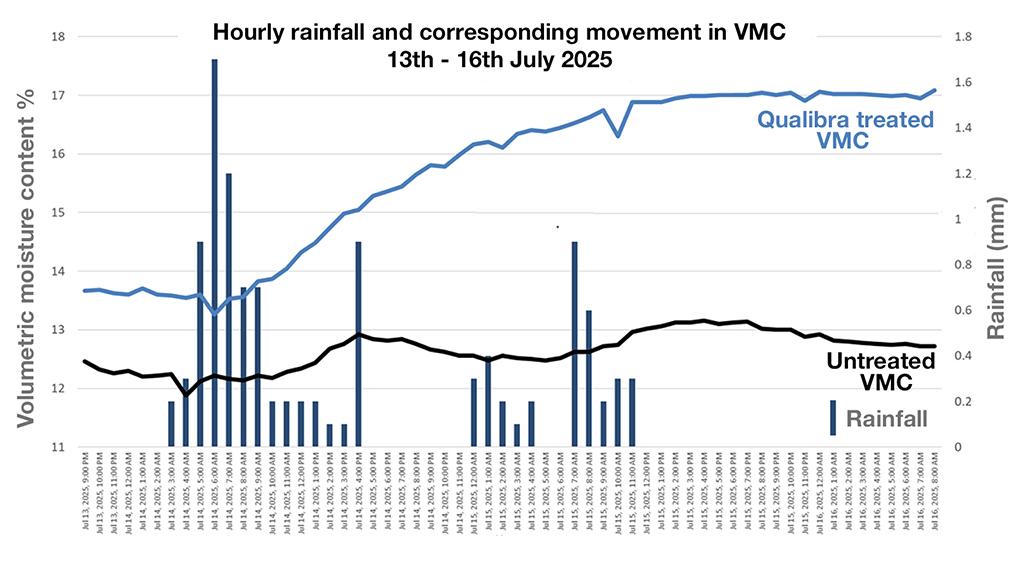
With SPIIO sensors set at 7 cm in the soil profile across the trial site, the volumetric moisture content (VMC) following a five-hour rainstorm, after a dry period, showed less than 1% uplift in the untreated plots. In the Qualibra treated soils, however, VMC increased steadily from 13% to over 17% in 24 hours (Fig 1).
Over the following dry period the Qualibra plots remained at around 4% premium VMC over the untreated soils. An even greater benefit was reordered following a second natural rain event a week later, highlighting the cumulative enhancement of the programmed approach.
This ability to hold moisture more consistently during wet or dry conditions has been assessed using NDVI assessment of turf vigour, with a more than 10% uplift in measured turf health 10 days into a dry period
Root matters
Turf root mass develops most strongly where there is available moisture, and a good balance of soil structure. If soils dry out excessively, or remain waterlogged, root mass will die back over the summer – reducing the efficiency of water and nutrient uptake and further exacerbating the impacts.
Wetting agent technology to maintain optimum soil moisture helps to retain roots through the summer. That can be further enhanced when integrated with a Primo Maxx II PGR programme, which encourages heathy plants to divert more energy into developing a bigger root mass, better able to utilise the resources.
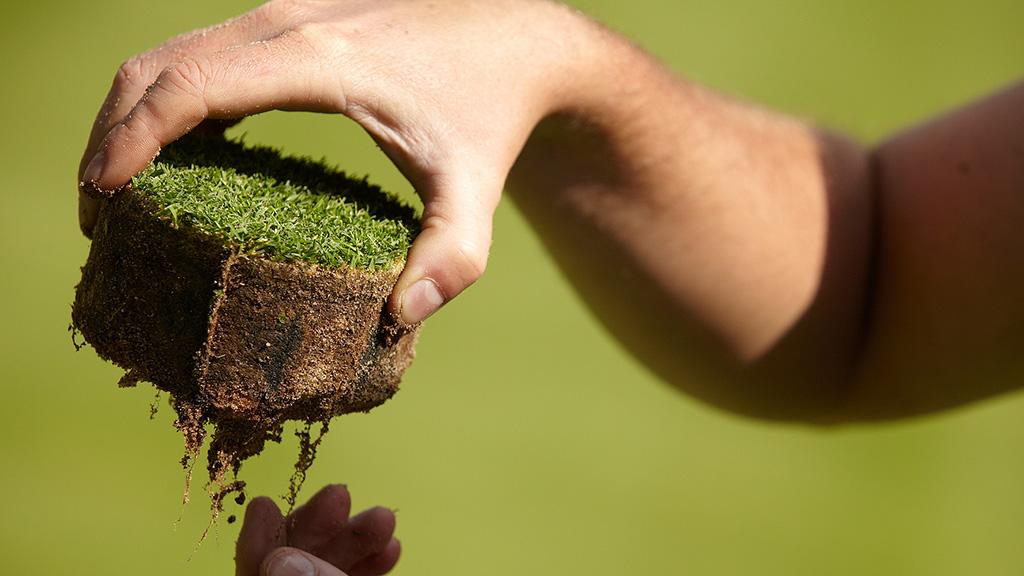
Turf research has also shown that Primo Maxx II helps turf plants to regulate stomatal opening in the leaf, which helps to manage evapotranspiration and improve overall water use efficiency.
Now biostimulant research is further showing how turf plants can be effectively primed to react faster when stress conditions occur, such as heat or moisture stress. This upregulation of a turf plant’s natural genetic response enables it to withstand stress for longer before effects are seen, and to recover faster when favourable conditions return.
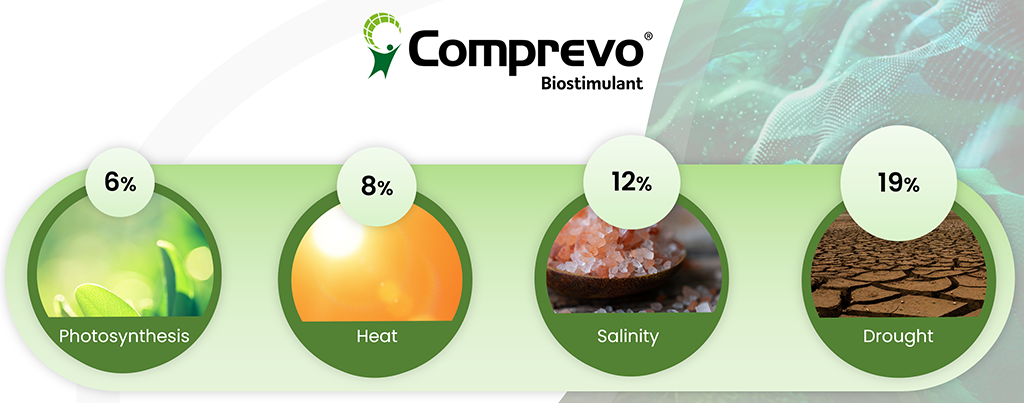
Genetic studies of new Comprevo turf biostimulant, for example, have shown it can upregulate genes responsible for a turf plants ability to withstand drought by 19% and response to heat by 8%.
When greenkeepers’ agronomy programmes integrate these novel management tools of new biostimulants, wetting agents and PGRs, alongside cultural practices and turf nutrition, there is the opportunity to create consistently better conditions for turf health, and to mitigate against the effects of climate shift.