Cut down on mowing stress

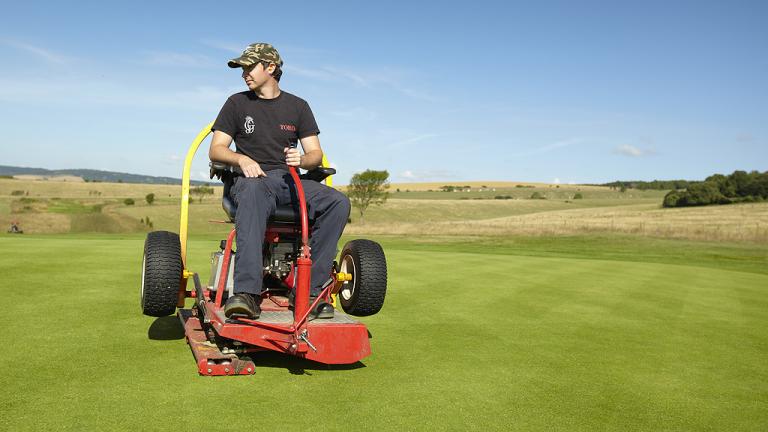
Every time a turf leaf is cut plants have to expend energy in repairing the wound. When that is occurring day after day, it can have limited opportunity to generate the energy for recovery – particularly when the leaf area vital for photosynthetic activity is being limited by the mowing too, writes Syngenta Technical Manager, Sean Loakes.
And if there are other stresses simultaneously imposed on the turf at the same time - such as drought, heat, excess light or nutrient deficiency – it can struggle to find the energy to withstand the damage.

Under such conditions the plant can get progressively weaker, as well as resorting to drawing on other sources of carbohydrate in an attempt to fill the energy gap. That will initially come from the crown and petiole closest to the point of energy demand in the leaf tip, but if the shortfall is protracted then it will mobilise carbohydrate stored in the root.
There is a complex physiological transformation going on within the plant, with different genes controlling hormones that will be interacting to prioritise how it responds and where it utilises the available resources.
When turf is cut during mowing it triggers a response to stimulate growth. However, the plant’s natural mechanism to mitigate against heat and drought stress is to slow down photosynthesis and shut down metabolic processes. Research has shown this double whammy effect of mowing under stress conditions can be particularly damaging.
Trial analysis on fine fescue surfaces have demonstrated that even when turf looks green and healthy, mowing under drought or heat stress conditions it can still adversely affect plant physiology.
This is one area where biostimulants have an important role to play. Initially they can provide a small amount of readily available nutrients to alleviate the issues, but science is also showing how they can influence and regulate plants’ gene expression and hormonal responses to stress.
It is a fascinating area of turf R&D that begins to explain how and why some biostimulants are more appropriate than others in different situations.
Syngenta and the pioneering artificial intelligence (AI) company, TraitSeq, have been combining forces to use AI technology to uncover the intricate molecular interactions and identify highly specific indicators of a plant’s cellular state, called biomarkers. When activated, these biomarkers can indicate how well a plant is responding to efforts to boost its health or to block the effects of external, abiotic stressors.

The research is looking to develop the next generation of biologicals products that enhance natural plant processes, leading to an improved nutrient use efficiency, increased tolerance to abiotic stress or better turf quality. It also seeks to improve the consistency of performance that can vary depending on environmental factors, such as temperature and local climate.
Syngenta has extensive data across different branches of science – such as genomics, proteomics, metabolomics, and phenomics. Using TraitSeq’s sophisticated proprietary platform, scientists from both teams hope to leverage AI to analyse complex biological big data that impact a crop’s ability to utilize available nutrients in the soil.
Once specific biomarkers can be identified, scientists hope to be able to quickly and accurately assess the efficacy of a new biostimulant in enhancing plant health.
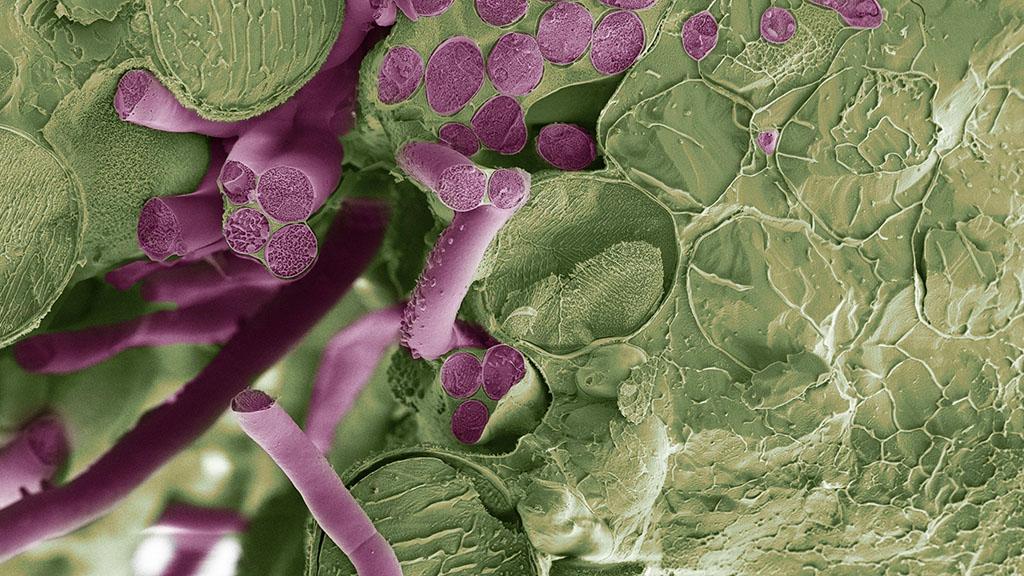
Improved plant health and stress management also links to a reduction in disease risk associated with mowing. Where the leaf is damaged by mowing the fungal hyphae can get into the plant far more easily, at which point it is far harder to fight and infection breaks out.
The greater the damage to the leaf during mowing, such as tearing caused by dull or poorly set-up blades, the easier it becomes for disease to get in and overwhelm the plant’s defences (below), compared to a clean cut with a sharp blade.
The use of Primo Maxx II can reduce turf growth by up to 30%. On less intensively managed areas of the golf course, such as fairways, that can enable significant savings in time and frequency of mowing – including reduction in costs, fuel and machinery wear – that will also limit turf damage.
While on greens, which may still be mown each day, the physical reduction in growth with the PGR removes a smaller proportion of leaf with each cut that reduces stress imposed on the plant.
One of the notable, but often overlooked, advantages of Primo Maxx II is that the leaves have a higher water content and are maintained in a more turgid state, which makes them easier to cut cleanly, compared to untreated – particularly in a hot or drought stressed periods.
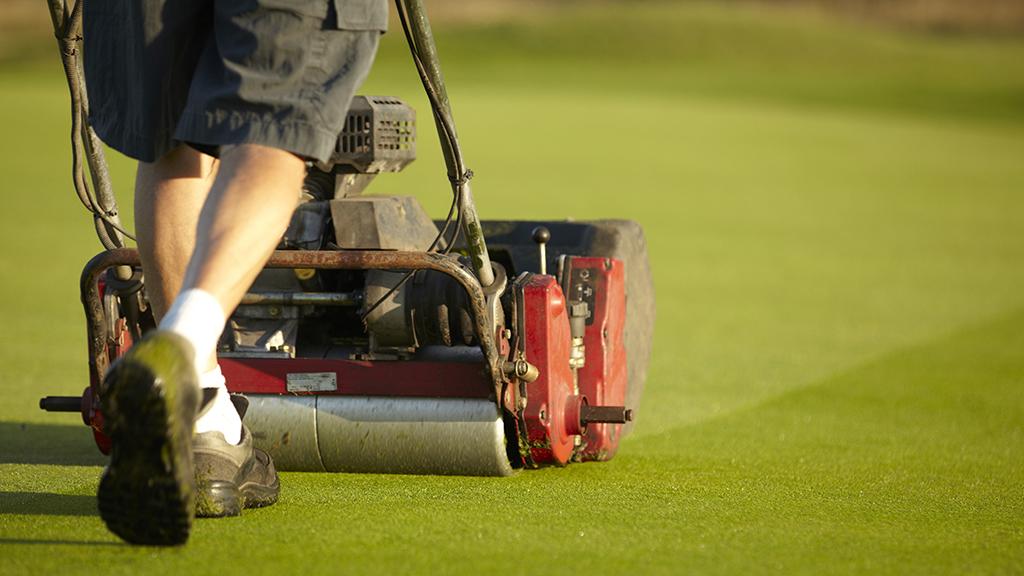
In many instances the use of a PGR strategy through the growing season can enable an alternation with rolling to maintain the same, or better green speed, and smooth ball roll, with a clear reduction in associated damage or stress.
Adopting an integrated approach of appropriate new generation specific stress targeted biostimulants, along with traditional tools of PGRs, wetting agent and fungicide strategies, can minimise the effects of environmental factors, as well as the mechanical stresses caused by mowing and essential greenkeeping actions.