






Pythium Blight
Pythium spp
Turf Disease
Susceptible turfgrass: All turfgrass species, especially annual bluegrass, perennial ryegrass, bentgrasses, and tall fescue and Bermuda grass.
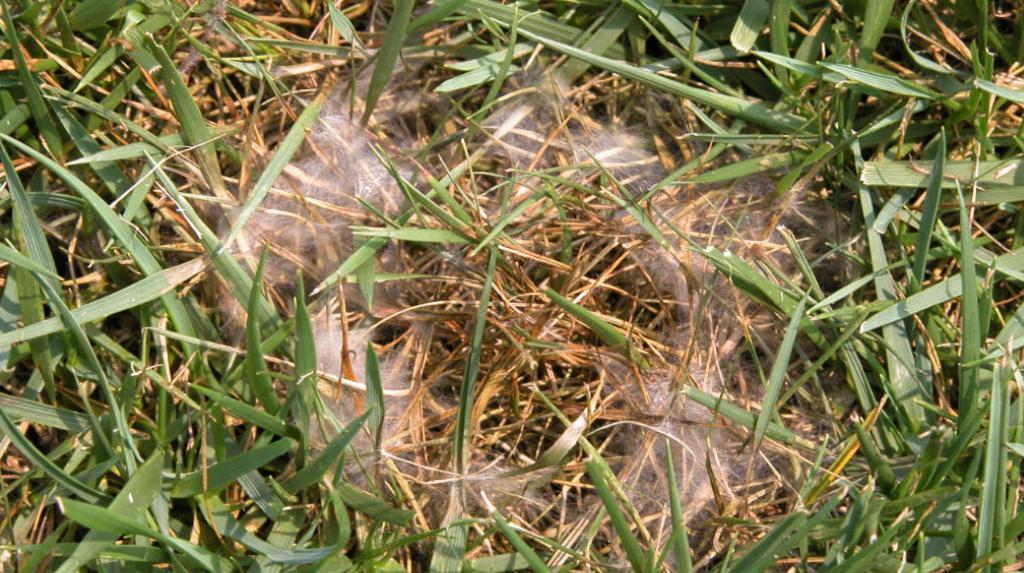
um spp.
Symptoms
- Pythium blight appears suddenly during hot, humid weather.
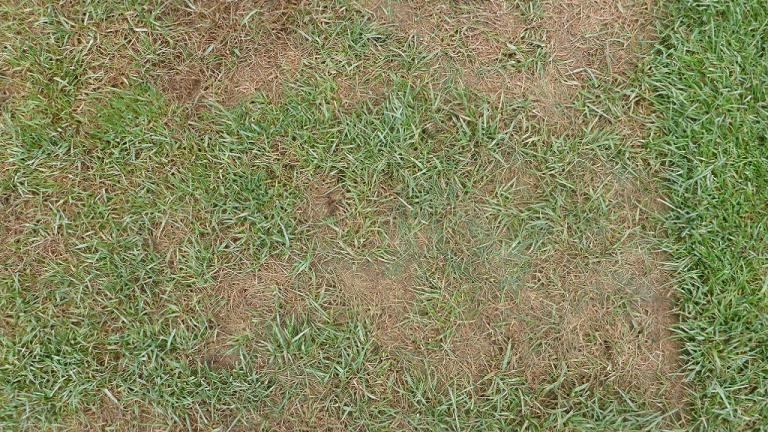
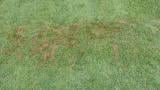
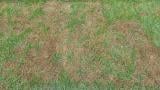
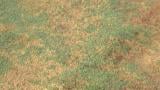
- This disease causes greasy, brown circular spots that are initially about 2 cm to 5 cm in diameter and then rapidly enlarge in size.
- The spots are water-soaked and dark-coloured early in the morning.
- They also form fluffy white masses of fungal mycelium (cottony blight) and can coalesce to form large, irregular areas of dead turf.
- Infected patches may appear brownish-orange in colour.
Conditions favouring disease
Pythium blight favours night temperatures of over 20°C. It occurs in areas that experience more than 10 hours a day of foliar wetness for several consecutive days. It is found in the wettest areas of turf and in areas with poor drainage and air circulation. Lush-growing turf growing under nitrogen fertilisation is particularly susceptible to the disease.
Integrated turf management
- Avoid mowing wet turf when the foliar mycelium is evident to minimise spreading the disease.
- Reduce thatch.
- Avoid excessive nitrogen application during hot weather.
- Increase air circulation to speed the drying process of the turf.
- Minimise the amount of shade.
- Irrigate turf early in the day. Avoid late-day watering.
- Improve soil drainage.
- Irrigate turf deeply and as infrequently as possible.
Use Subdue Maxx or Heritage for fungicidal control

Heritage has label recommendation for Pythium blight control in South Africa.