


Fairy Ring
Susceptible Turf
Occurs in all turfgrasses.
TYPE I Fairy Ring
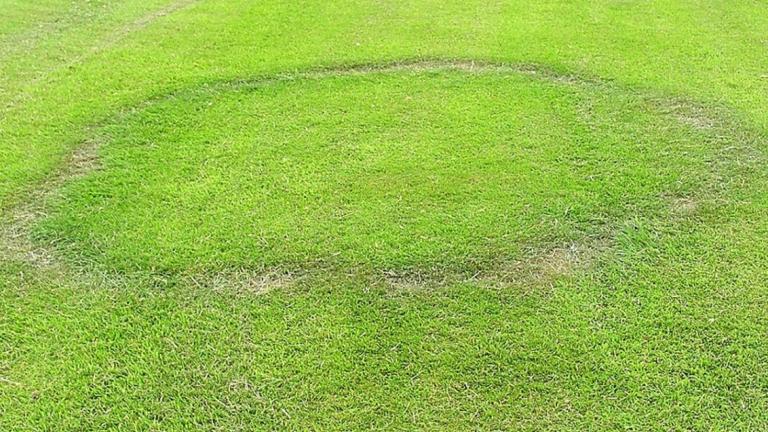
Symptoms: Damaged or dead turf from drought stress. They may have fruiting bodies present.
Causes:
- Hydrophobic (water-repellent) thatch and soil.
- Accumulation of ammonium to toxic levels.
- Release of hydrogen cyanide or other toxins into the root zone.

Type II Fairy Ring
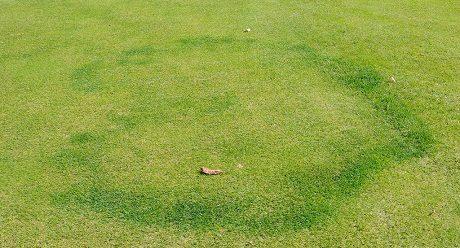
Symptoms: Rings of dark green or quickly growing turf. These symptoms usually occur early in the season, and indicate that more severe Type I symptoms may follow. They are most evident in under-fertilized turf. They may have fruiting bodies present.
Cause:
- Release of nitrogen and other nutrients into the soil.
Type III Fairy Ring
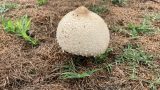
Symptoms: Mushrooms or other fruiting bodies produced in a ring with no visible effect on turf growth. They are most common during periods of wet weather preceded by drought.
Causes:
- Mycelial mass buildup around the outer ring

Fairy Ring is a unique disease as its symptoms are not directly caused by fungal pathogens. Instead, the Fairy Ring pathogens cause symptoms indirectly, by changing the chemical and physical properties of the soil.
Fairy Ring can present in rings or arc shapes or irregular patterns. Type II and III symptoms are not devastating to turf, however they do detract from uniformity and can affect playability, and in most cases management is required.
As the causes and symptoms can vary, curative fungicide applications can be unreliable. For the best control of Fairy Ring, a preventative strategy should be used.